
The Science of Cellular Recovery Technology
Introduction The recovery revolution is one of the health and wellness topics that has come to the forefront over the past few years, and at the heart of the discussion is a little plate that packs a big punch: the photobiomodulation device. This technology, once only available in specialist clinics, is now available in homes and gyms for what it claims to do at the cellular level: accelerate repair, diminish inflammation, and provide support to the body’s natural energy production. However, how does it actually work? This article explains the biology behind this cellular recovery technology, what is going on within the cell when it is subjected to certain wavelengths of light, and why so many people are incorporating this into their daily routine. What is a Photobiomodulation Device? A photobiomodulation device activates biological processes within the body using predetermined light wavelengths, which are mostly in the red and near-infrared spectrum. Literally, it translates to the use of light to control biological processes. The beams from these devices are not as powerful as those used in medical procedures, meaning they don’t harm tissue. Rather, they engage with cells that promote repair and quicker recovery post-workout and wound. The Science Behind Cellular Recovery The mechanism of action of red light therapy is mainly on the mitochondria, the energy-producing organelles within each cell. Red and near-infrared light is absorbed by a molecule called cytochrome c oxidase, located within the mitochondrial membrane. This absorption increases the production of a molecule called ATP, which cells use as fuel. How Light Wavelengths Interact With Mitochondria Absorption of the wavelengths in tissue varies. Red light (usually 630-660nm) is more effective at working the surface tissue (skin), and near-infrared light (800-850nm) penetrates deeper into the muscle and joints. That’s why a good device is likely to have both wavelengths that affect surface healing and those that affect deeper tissue recovery simultaneously. The more ATP produced, the more energy a cell has to repair damaged proteins to regenerate tissue. Benefits of using it every day. Many benefits have been reported with regular use of a photobiomodulation therapy device, many of which are directly related to the mitochondrial mechanisms mentioned above. These include: Less post-exercise or post-physical strain muscle tenderness. Improved recovery between training sessions Improved circulation in treated areas Help support joint comfort and mobility. Improved skin tone and texture with time This is an approach which has been rapidly embraced by athletes and physical therapists as a component of post-workout recovery, sometimes combined with stretching or massage to get the most out of the workout. The beauty of the appeal is that there are no needles, no chemicals, and little downtime. This is why demand for a photobiomodulation device keeps growing across wellness and recovery communities. The connection that leads to prolonged life. The connection that brings up long life. A more interesting field of research links cellular recovery technology to increased longevity. The idea is simple: cells with less oxidative damage and better repair mechanisms age better. It is well established that mitochondrial dysfunction is a component of the aging process, and in theory, anything that supports mitochondrial function should help to delay cellular aging. A photobiomodulation device does not replace a healthy lifestyle, sleep, and nutrition, but as it becomes clearer in the research on cellular aging, mitochondrial health is a crucial component of this enigmatic puzzle. That’s one reason why the technology has resonated with more than just athletes: it has also spread to the general wellness and longevity communities. This outcome is often described in research as elevated longevity. Selecting the appropriate tool. All devices are not equal. Some of the key factors to consider when assessing a photobiomodulation device are wavelength range, light intensity, treatment area size, and safety certification. Wavelengths of both red and near-infrared tend to offer even more coverage for various levels of recovery, whether it be skin health, muscle support, or joint recovery. The intensity is not the most important factor; that’s the length of the session and regularity. Since cellular response to light increases over time, most protocols call for shorter, frequent exposures (usually a few minutes daily) rather than longer exposures on rare occasions. Many people specifically look for a photobiomodulation device that matches their recovery goals and budget. Conclusion Cellular recovery technology lies at a sweet spot between physics and biology. The targeted wavelengths emitted by a photobiomodulation device can help to optimize cell energy, repair, and recovery, while lowering inflammation and improving long-term health and aging over time. The practice of red light therapy is no longer limited to clinics, but is available to everyone who wants to benefit from the body’s natural healing abilities. It’s an evolving technology that will continue to play an important role in post-workout recovery and overall health. Over time, this process is closely tied to elevated longevity and long-term cellular health. FAQs Can a photobiomodulation device be safely used in the home? Yes, most devices that are meant for home use have low non-thermal intensity and are safe to use so long as you follow the manufacturer’s instructions. How long does it take to see the results? Numerous users have reported that they have experienced symptom improvement, such as decreased soreness, within just a few sessions, while the benefits often increase over a number of weeks of regular use. Does this technology have a role in achieving an extended lifespan? The relationship between mitochondrial health and longevity is well documented, although research is still ongoing in this field and is increasingly a subject of scientific interest. How often is it recommended to use it? Most protocols recommend short sessions 3 to 5 times a week, with daily sessions being common for recovery or skin protocols.
Red Light Therapy for Recovery, Longevity, and Cellular Health
The wellness industry continues to embrace innovative technologies designed to support health, recovery, and overall well-being. Among the most promising advancements is red light therapy, a non-invasive approach that has gained widespread attention for its potential benefits in recovery, longevity, and cellular health. Once considered a niche treatment, red light is now used by athletes, wellness enthusiasts, and individuals looking to optimize their health naturally. As scientific interest in light-based wellness continues to grow, more people are exploring how this therapy can fit into their daily routines. From supporting post-workout recovery to promoting healthy aging, this technology is becoming an essential part of modern wellness strategies. What Is Red Light Therapy? This therapy is kinda a treatment that uses certain wavelengths of red and near-infrared light to interact with the body’s cells. The point is to send in light energy that may help back up normal cellular function, and just generally overall wellness. A lot of modern setups lean on a photobiomodulation device, to give more targeted light exposure. These machines are built to deliver carefully chosen wavelengths that go through the skin and into deeper, underlying tissues. Because of this therapy has become a pretty common option for people who want a non-invasive wellness approach. Whether it’s done with handheld systems, panels, or even a therapy bed, the treatment keeps getting more attention for its flexibility and convenience. It’s one of those things that’s easy to work into a routine, not overly complicated or intense. How Red Light Therapy Supports Recovery Recovery matters a ton when you’re thinking about physical performance and everyday health. Hard training, constant stress, and general physical exertion can put serious pressure on the body. A lot of people add this therapy to their recovery routine, mainly because it feels simple and kind of soothing, like a relaxed wellness experience. Athletes often fold therapy into post-workout recovery plans. Some wellness centers also use a therapy bed, so you can get full-body exposure in one session. That style can be extra appealing for anyone trying to recover quickly, especially after demanding schedules and workouts. And since wellness technology keeps evolving , the use of advanced photobiomodulation device systems keeps spreading across sports, fitness, and recovery settings. It’s becoming more of a “standard option” than a niche idea. The Connection Between Red Light Therapy and Cellular Health At the heart of therapy is the way it plays with cellular processes, sort of like it “speaks” to the cells in its own language . Cells need energy to keep going , doing the essential things—repair, upkeep, regeneration too and so the therapy tries to support that natural rhythm. By delivering certain wavelengths of light, therapy wants to nudge the body’s own cellular activity in a helpful direction. Over time, a lot of researchers, and also wellness people, have been curious about whether light-based therapies can help cellular function stay steady and healthy. That kind of curiosity has, I guess, increased the adoption of devices in wellness clinics and performance centers all over the place. Since cellular health is kind of the base layer for overall wellness, many individuals end up viewing therapy as a useful addition to long-term health plans. Not a magic fix, more like a supportive tool you fold into your routine. Red Light Therapy and Longevity Longevity is one of those topics that keeps popping up in modern wellness. Instead of only talking about lifespan, a lot of people now emphasize health span, meaning the number of years you live in good health. That shift is one reason therapy has drawn attention. People who support therapy often argue that keeping cellular function healthy could matter for long-term wellness. While the science is still developing, you can see the therapy increasingly showing up in wellness programs built around recovery, resilience, and healthy aging. Organizations like Elevated Longevity have helped bring more attention to these emerging wellness approaches, they focus on proactive health management. By looking at advanced recovery technologies, Elevated Longevity encourages a more comprehensive angle on long-term well-being, not just one thing, but the bigger picture. Why Red Light Therapy Beds Are Becoming Popular One of the faster-growing wellness innovations is the red light therapy bed. Compared with smaller devices that usually go for, or just aim at specific spots on the body, these setups give full body light exposure in a comfortable kind of setting, you know. A therapy bed lets people go through full sessions without having to keep moving treatment devices around. That convenience has really helped the overall demand for light based wellness treatments. A lot of wellness centers and recovery facilities are putting money into a therapy bed because it feels like an efficient way to deliver full-body support while also improving the client experience, overall. Choosing Quality Wellness Solutions Since interest in red light therapy keeps climbing, it matters more and more to pick good equipment, and also work with providers people actually trust. Whether someone uses a professional-grade device or they simply visit a wellness center with advanced systems, quality and dependability should always be part of the decision. Companies like Elevated Longevity are, in a way, helping consumers sort through the quickly expanding wellness space by offering guidance and access to modern recovery technologies. When people partner with reputable providers, they’re more likely to make informed choices about bringing therapy into their routines and keeping it consistent. Conclusion The growing popularity of red light therapy seems to mirror a wider change toward proactive health and wellness habits. It helps with recovery and cellular function, then kind of slides into the whole idea of longevity, so people keep looking at it as an alternative, more natural way to fine tune their overall well-being. Whether someone uses a photobiomodulation device, or ends up in a full body therapy bed, the road for light based wellness looks more and more promising. And with groups like Elevated Longevity working to spread the word about advanced wellness solutions, this therapy feels
Benefits of Whole Body Cryotherapy (WBC) instead of Cold Plunge Ice Baths

In recent years, the practice of using cold therapy has gained popularity in the health and wellness industry. While traditional ice baths have been used for decades, whole body cryotherapy (WBC) has emerged as a more modern and efficient way to experience the benefits of cold therapy. WBC is a form of therapy that involves exposing the body to extremely low temperatures, typically between -110°C to -140°C, for a short period of time, usually 2-3 minutes. The therapy is usually done in a special chamber that uses liquid nitrogen to cool the air. The process stimulates the body’s natural healing abilities, helping to reduce inflammation, alleviate pain, and improve overall wellness. Here are some benefits of WBC that make it a better option than cold plunge ice baths: Less Time Consuming One of the main benefits of WBC over traditional ice baths is that it requires significantly less time. WBC sessions typically last between 2-3 minutes, whereas ice baths usually require 10-20 minutes to achieve the same benefits. This makes WBC a more efficient option for those who have busy schedules or want to fit in a quick therapy session during their lunch break. More Effective While both WBC and ice baths help to reduce inflammation and alleviate pain, WBC has been shown to be more effective at achieving these benefits. The extreme cold temperatures in WBC stimulate the body’s natural healing abilities, triggering the release of endorphins, reducing inflammation and speeding up recovery time. This means that you can achieve the same benefits in a shorter period of time. Less Discomfort While the idea of submerging oneself in ice water may seem daunting, WBC is generally considered to be less uncomfortable than traditional ice baths. The extreme cold temperatures in the WBC chamber are dry and do not produce the same level of discomfort that can be experienced during an ice bath. Additionally, the short duration of WBC sessions means that the discomfort is over quickly. Better for the Skin The extreme cold temperatures in WBC can also help to improve the appearance of the skin. The cold temperatures promote increased blood flow to the skin, which can help to reduce the appearance of fine lines and wrinkles. Additionally, the therapy can help to reduce the appearance of skin conditions such as psoriasis and eczema. More Hygienic Finally, WBC is considered to be more hygienic than ice baths. In traditional ice baths, the water can become contaminated with bacteria and other pathogens, which can pose a risk to those who use the bath. In contrast, the WBC chamber is a dry environment, reducing the risk of contamination and making it a safer option for those who are concerned about hygiene. In conclusion, while both whole body cryotherapy and traditional ice baths offer the benefits of cold therapy, WBC is a more efficient, effective, and comfortable option. It requires less time, is more effective at reducing inflammation and pain, and is less uncomfortable. Additionally, WBC is better for the skin and is more hygienic, making it a safer option for those who are concerned about contamination.
Unveiling Arctic Elevation Recovery Studio: Your Path to Optimal Wellness in Renton, WA

Unveiling Arctic Elevation Recovery Studio: Your Path to Optimal Wellness in Renton, WA Welcome to the highly anticipated grand opening of Arctic Elevation Recovery Studio in Renton, Washington! They are excited to introduce you to their cutting-edge facility dedicated to holistic wellness. Their comprehensive range of services includes cryotherapy, red light therapy, infrared sauna, compression therapy, percussion therapy, and personalized nutrition guidance. Let’s dive into the details and discover how Arctic Elevation can help you achieve your wellness goals. Cryotherapy: Experience the power of cryotherapy at Arctic Elevation. Step into their advanced cryotherapy chamber, where cold temperatures work wonders for recovery and overall well-being. Their cryotherapy equipment is of the highest quality, ensuring a safe and effective session. Explore the benefits of cryotherapy and discover why it’s gaining popularity among wellness enthusiasts. Red Light Therapy: Unlock the potential of red light therapy at Arctic Elevation. Their state-of-the-art red light therapy beds provide a non-invasive and rejuvenating experience. With proven benefits for skin health, wound healing, and mood enhancement, red light therapy is a valuable addition to your wellness routine. Explore the remarkable effects of this therapy and how it can support your overall well-being. Infrared Sauna: Indulge in the warmth and detoxifying benefits of their infrared saunas. Their infrared saunas use advanced technology to penetrate deep into your tissues, promoting relaxation, improved circulation, and the release of toxins. Immerse yourself in the soothing environment and experience the rejuvenating effects of infrared sauna therapy. Compression and Percussion Therapy: Optimize your recovery with their compression and percussion therapies. Designed to enhance muscle recovery, reduce soreness, and improve circulation, these therapies are perfect for athletes, fitness enthusiasts, and anyone seeking to alleviate muscle tension. Experience the targeted benefits of compression and percussion therapy and feel revitalized. Personalized Nutritional Guidance: At Arctic Elevation, they understand the importance of nutrition in achieving optimal wellness. Their experienced nutritionist is here to provide personalized guidance tailored to your unique needs. Whether you’re looking to enhance your fitness performance or improve your overall health, their nutritionist will work closely with you to create a customized plan to support your goals. Arctic Elevation Recovery Studio’s grand opening in Renton, WA marks the beginning of an exciting journey towards optimal wellness. With their state-of-the-art equipment and expert guidance, they invite you to explore the transformative power of cryotherapy, red light therapy, infrared sauna, compression and percussion therapies, and personalized nutrition. Discover the keywords “cryotherapy in Renton,” “red light therapy near me,” “infrared sauna in Washington,” “compression therapy studio,” and “personalized nutrition guidance” to guide you to their premier facility. Visit Arctic Elevation and embark on a path to a healthier, revitalized you.
The Science Behind Cryotherapy: Unveiling the Benefits
Cryotherapy, a term derived from the Greek words “cryo” meaning cold and “therapy” implying treatment, is more than just a trendy wellness fad. With an increasing number of athletes, celebrities, and everyday individuals praising its virtues, one might wonder: What exactly happens to the body during a cryotherapy session? And how do these icy encounters translate to tangible health benefits? What is Cryotherapy? At its core, cryotherapy involves exposing the body to extremely cold temperatures for a short period, typically between two to five minutes. This is achieved using liquid nitrogen, cooling the surrounding air in a specialized chamber or localized equipment that targets specific areas. The Immediate Physiological Response When the body senses the extreme cold: Vasoconstriction: Blood vessels constrict, reducing blood flow to the periphery and directing it towards vital organs. This is the body’s innate response to preserve core temperature. Endorphin Release: The body releases endorphins, the natural “feel-good” chemicals, acting as pain relievers and mood elevators. Decrease in Inflammation: The cold environment can reduce the activity of inflammatory mediators, leading to decreased swelling and pain. The Long-term Benefits While the immediate sensations can be invigorating, the real magic of cryotherapy lies in its long-term benefits: Enhanced Recovery: Athletes have popularized cryotherapy for its ability to hasten muscle recovery. The process reduces muscle soreness and accelerates tissue repair, essential after intense workouts or injuries. Chronic Pain Relief: Consistent cryotherapy sessions can help alleviate chronic pain conditions, from arthritis to migraines, by disrupting the pain-spasm cycle and promoting endorphin release. Mood and Sleep Improvement: The endorphin surge isn’t just about physical well-being. It can also combat depression, anxiety, and sleep disorders, promoting overall mental health. Caloric Burn: A lesser-known benefit, but the body works hard to warm up post-session, potentially burning hundreds of calories in the process. Skin Rejuvenation: Cold exposure can enhance skin’s appearance, reducing signs of aging and even alleviating skin conditions like eczema. Cryotherapy: Beyond the Hype Research is ongoing, and while many swear by its transformative effects, it’s essential to approach cryotherapy with a balanced perspective. Some studies suggest that while beneficial, cryotherapy might not be vastly superior to other recovery modalities. What’s undeniable, however, is its growing role in holistic health. Safety First Like any treatment, cryotherapy has risks. It’s paramount to use professional-grade equipment, ensure sessions are of appropriate duration, and consult with healthcare providers, especially if one has underlying health conditions. Conclusion The allure of cryotherapy is rooted in science. By leveraging the body’s natural responses to cold, it offers a myriad of benefits, from faster athletic recovery to improved mental well-being. As the wellness world continues to evolve, cryotherapy stands as a testament to the age-old adage – sometimes, the best remedies are the simplest ones.
Cryotherapy Machine & Red-Light Therapy – Section 179 Tax Deductions

Section 179 Deduction Let’s keep things simple. IRS tax code Section 179 allows businesses to deduct full price of equipment purchased during the tax year. You can deduct the full price from your gross income. It’s an incentive created by the U.S. government to encourage businesses invest in themselves. This will apply to cryotherapy machines, red light therapy beds, infrared saunas, hyperbaric chambers, flotation tanks, etc. Section 179 is one of the few government incentives available to small businesses, and has been included in many of the recent Stimulus Acts and Congressional Tax Bills. The goal is a much needed tax relief for small businesses. Millions are taking advantage of this. Previously, it typically wrote it off a little at a time through depreciation. If your company spends $50,000 on a machine, it gets to write off $10,000 a year for five years for example. Not any more. Now your business can write off the entire purchase price. (Up to $1,040,000) All businesses that purchase, finance, and/or lease new or used business equipment during tax year 2020 should qualify for the Section 179 Deduction. Most tangible goods used by American businesses qualify. The equipment must be used for business purposes more than 50% of the time to qualify. Simply multiply the cost of the equipment by the percentage of use to arrive at the amount eligible.
Critical Decisions to Make Right Now for Your Spa, Salon, and Recovery Business

Building a successful spa, salon, and recovery business is hard, but keeping the business going is even harder. The journey to success is a rollercoaster ride. You must be prepared for the highs and the lows. The good times will make it all worth, and the bad times will provide valuable lessons. Whether you are opening a salon or a recovery business or you are running a business, your business strategy is the most crucial aspect of your business. A business strategy will help you develop a plan of action to guide marketing, operations, and other aspects of your business. Whether you are just starting or your business is struggling and in need of advice. Here are 5 critical decisions for your spa, salon, and recovery business. The future of your brand Salons and recovery businesses are all about image. Your clients care about your brand and how it affects their image. Do not define your business according to how you want it to be. Instead, define your target customer and build a brand around your customer. Build a brand that will attract your clients. Create an image that customers will not mind referring to their friends. Clients visit salons, spas, and health recovery businesses for some pampering. Your business should be a haven of relaxation. Brand your business as the place where customers can get what they are after. Convince your customers that you are the only one who can provide the best service at the most right price in the most comfortable environment. Decide on the ideal location for the business Location is everything for a recovery business. A strategic location that is convenient for your customers will play a significant role in your success. Situate your business in a neighborhood that adds to your brand. An excellent location has many other businesses nearby to drive foot traffic. For existing businesses, try to improve on your location by increasing your visibility. Put a visible and an attractive sign. Invest in convenient parking space and ensure the surrounding area is safe and attractive. Create an attractive online profile to market your business. An active social media will act as the storefront for potential clients in today’s age of social media. What makes your business unique? A crucial aspect of your business strategy is market analysis. Take time to analyze your competition, brand images, service delivery, customer service, and the general look of their businesses. You gain an edge over your competitors by doing it better or doing it differently. Apply SWOT analysis to identify your strengths and weaknesses in relation to your competitors in the market.1 Your strengths could be innovative services such as cryotherapy and red light therapy. Also, note down the opportunities and threats in the industry. A comprehensive SWOT analysis will help you identify gaps in the market, such as the lack of affordable or innovative services. Perhaps, your competitors have poor customer care or lack an online presence. Utilize your strengths to offer a unique service that fills the gap in the market. Offer something your clients cannot access anywhere else. A strong base comprised of impeccable services Whether you are new in the game or you have been around for a while, excellent service delivery is the key to your success. Regardless of your location, pricing, and brand, customers will not come back after bad service. Give your clients the best service from the minute they walk in. Great your clients with a smile and attend to them immediately. Hire and train your staff to offer the best customer service. Turn your customers into your fans by giving them something different. Eliminate inconsistencies in your service delivery. Build your business on high standards, impeccable execution, and friendly culture. Strategic planning and proactive decision-making There is no room for complacency when running a successful business. Pay attention to every detail from your communication with clients, your supply chain, to your employee relations. Do not let your guard down. As you celebrate wins, strategize more to create more wins. Create a culture of winning such that every employee brings their A-game. Your Recovery Business Must Endure All Challenges Business success does not come easy. Success comes from taking strategic actions consistently to give your business an edge over the competition. The above critical decisions will guarantee success. I challenge you to master these five critical decisions to attain long term success. Links to resources used: https://www.wordstream.com/blog/ws/2017/12/20/swot-analysis
Tips for Creating a Successful Cryotherapy Business Model

Cryotherapy is a lucrative business. Cryo entrepreneurs make profits within the first year of operation even when they charge an average of $35 per session. With an average of 10 cryotherapy sessions in a day, you can recoup your cost of investment within four to six months. While cryotherapy is a rewarding business, setting up a cryotherapy business requires adequate planning. Without the right cryotherapy business model, you might find this business quite challenging. Viable Cryo Business Models The two cryotherapy business models are cryotherapy as an added amenity or as a standalone. Many factors go into the business model decision, but first, let us explore the two business models. Cryotherapy as a standalone In this model, you offer cryotherapy services alone. Cryotherapy business has low operating costs. It is possible to open a standalone brick-and-mortar location and still make money. A standalone mode, however, has notable challenges. It is a costly model as you will rent a new location, buy equipment, and spend a lot on marketing and promotion. A standalone model is still feasible. Certain clients prefer standalone cryotherapy services because they offer privacy. Cryotherapy as an added amenity This is a popular business model for cryotherapy. Cryotherapy can be an added amenity to a medical spa, tanning salon, gym, and chiropractic facility, or a wellness center. To pursue this model, you can partner with other entrepreneurs or add it to your existing business. As an additional service, you will not incur additional costs in terms of rent. But you must create enough room for the nitrogen chamber and the liquid nitrogen dewar. The recommended room size for the chamber is 10’ x 10’ while liquid nitrogen dewar takes up half the space of the chamber. Cryotherapy as an additional service is also beneficial because it is easy to introduce to the market. All you need is to integrate cryotherapy services into your business using the steps discussed in our previous article. Your existing clients will be the first to try cryo services. How to Select the Right Business Model for Your Business Having identified the two business models, how do you decide on which model is best for you? Here are some of the factors to take into consideration when creating your cryo business model. 1. Equipment and Initial Cost The cost of equipment is a crucial part of evaluating the overall business costs. The prices of full-body cryo equipment are different from whole body cryo equipment. A whole-body machine can cost up to $75,000, while small portable machines can be priced below $100. There are costly machines that do not use liquid nitrogen retailing at approximately $150,000. The cost of equipment and the initial cost of setting up will help you make the decision of having a standalone or an added-amenity business. Further, you can start this business as a sole proprietorship or as a partnership, depending on your financial capability. It is advisable to partner with trusted cryotherapy vendors to help you find the best equipment for your business. Cryotherapy vendors can also advise you on the best marketing strategies and integrating cryotherapy into your business. 2. Local cryotherapy market The overall cryotherapy market is worth several billion and it will grow by double digits by 2025.1 Explore the local cryotherapy market before deciding on your business model. Is there a gap in the local market, or is it crowded? Find out how much your competitors are charging and how they market their services. If the market is not crowded, you can consider a standalone cryotherapy business model if your finances allow. Find ways to offer value to your potential clients and differentiate yourself from competitors. 3. Location Your location also plays a crucial role. Set up your cryo business in a strategic location to attract more clients and sales. There are locations where you can charge $100 per session, but setting up will also cost more. Find your ideal location and identify the cost of setting up. So what makes up an ideal location for your cryo business? It is crucial to choose a location with existing health, fitness, and wellness businesses surrounding it to attract a high volume of foot traffic. A Good Cryotherapy Business Model Can Transform Your Business The right business model will help you achieve your goals faster. Do thorough research on the available business models and factors within your local market. Write a SWOT analysis of each model and consider all the scenarios before deciding on one model. The ultimate goal is to pick a model that will enable you to achieve your goals faster. Links to resources used 1. https://www.marketstudyreport.com/reports/global-cryotherapy-market-size-status-and-forecast-2019-2025
Red Light Therapy Guide: Benefits, Uses & How It Works
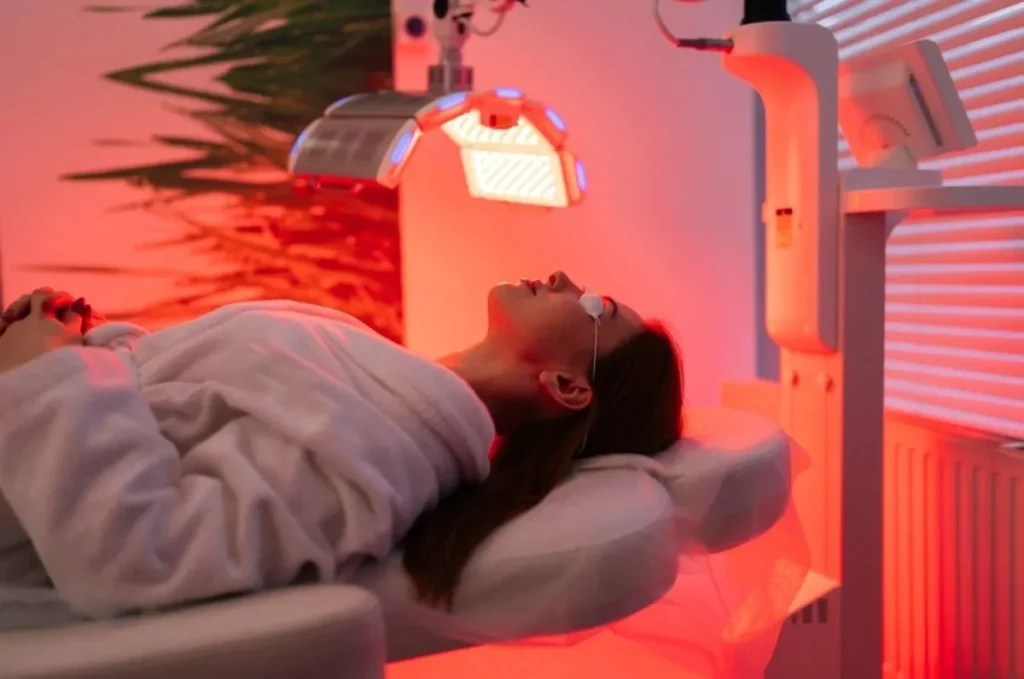
The U.S. wellness market isn’t just growing — it’s becoming more technical. Clients no longer ask, “What facial do you offer?” They ask, “Do you have red light therapy?” “Is it FDA cleared?” “Does it help with inflammation?” If you operate a spa, med spa, recovery studio, or wellness clinic, red light therapy is no longer optional curiosity. It’s increasingly part of the core longevity equipment for wellness that modern facilities are expected to offer. But here’s the real question business owners ask: Is it worth the investment — and which device actually makes sense for a commercial setting? Let’s break it down properly. What Red Light Therapy Actually Does Red light therapy (also called photobiomodulation) uses specific wavelengths of red and near-infrared light to stimulate cellular repair. The key mechanism happens inside the mitochondria — the part of your cells responsible for producing ATP (energy). When exposed to therapeutic wavelengths (typically 630–660 nm red light and 810–850 nm near-infrared light): Cellular energy production increases Circulation improves Inflammation decreases Tissue repair accelerates Unlike UV light, it does not damage skin. Unlike lasers, it does not aggressively heat tissue. It works at a cellular signaling level. Research originally expanded through work conducted by NASA exploring tissue repair and muscle preservation. Since then, clinical interest has grown across dermatology, sports recovery, and regenerative medicine. Today, certain devices are cleared by the U.S. Food and Drug Administration for specific indications such as temporary pain relief and wrinkle reduction — which is important for U.S.-based operators from both marketing and liability perspectives. Why Red Light Therapy Is Gaining Traction in the U.S. Wellness Market There are three macro trends driving adoption: 1. The Longevity Movement Consumers are shifting from reactive health to proactive optimization. They’re searching for tools that support: Cellular repair Reduced inflammation Anti-aging Recovery enhancement Red light therapy fits directly into this narrative. 2. Non-Invasive Demand Clients increasingly prefer non-invasive, no-downtime treatments. Compared to injectables or laser resurfacing, red light therapy feels low-risk and approachable. 3. Membership-Based Revenue Models Because sessions are short and repeatable, red light therapy integrates well into: Monthly wellness memberships Recovery packages Post-treatment add-ons From a business standpoint, that consistency matters. Red Light Therapy Equipment Benefits for Wellness Centers Let’s talk operator value — not just clinical theory. 1. Low Consumable Cost Unlike injectables, chemical peels, or body contouring treatments, red light therapy requires no recurring consumables. Once installed, operating costs remain relatively low. 2. High Utilization Potential Sessions typically range from 10–20 minutes. That allows: High client turnover Easy scheduling integration Add-on stacking after facials or recovery sessions 3. Broad Demographic Appeal Red light therapy attracts: Anti-aging spa clients Athletes Chronic pain sufferers Post-procedure patients Biohacking enthusiasts Few modalities bridge aesthetics and recovery this effectively. Best Use Cases for Spas and Clinics Different facility types use red light therapy differently. 1. Anti-Aging & Skin Rejuvenation (Spas / Med Spas) This is the strongest entry point. Red light therapy supports: Collagen stimulation Reduction in fine lines Improved skin tone Reduced inflammation after treatments Many clinics position it as: A post-microneedling recovery boost A post-laser calming session A glow-enhancement add-on It’s easy to explain and easy to sell. 2. Pain Management & Sports Recovery (Clinics / Recovery Studios) Near-infrared wavelengths penetrate deeper tissues. Common positioning: Joint pain support Muscle soreness recovery Inflammation management Arthritis symptom relief This makes it complementary to cryotherapy, compression therapy, and physical rehabilitation. If you’re building a professional wellness technology guide, this is where red light therapy overlaps with cryotherapy equipment benefits — cold reduces inflammation quickly, red light supports repair afterward. 3. Post-Procedure Healing (Medical Settings) Clinics use red light therapy after: Microneedling Laser resurfacing Injectables Minor surgical procedures Its anti-inflammatory properties can help reduce redness and accelerate healing. How to Choose the Best Red Light Therapy Device (Commercial Edition) Here’s where many blogs stay vague. Let’s get specific. If you’re researching the best red light therapy device for a commercial environment, focus on these criteria: 1. Wavelength Specificity Professional devices should clearly specify therapeutic wavelengths, typically: 660 nm (red) 810–850 nm (near-infrared) Avoid systems that don’t disclose technical specs. 2. Irradiance (Power Output) This determines how much light energy actually reaches tissue. Higher irradiance: Shortens session times Improves treatment efficiency Increases revenue potential Commercial-grade machines should publish mW/cm² output numbers. 3. Full-Body vs. Panel Systems Full-Body Beds Higher upfront investment Premium positioning Strong membership appeal Large Panels Flexible room placement Lower cost than beds Ideal for recovery studios Targeted Devices Lower investment Better for estheticians Limited revenue scalability Your facility size and revenue model determine the right fit. 4. FDA Clearance & Liability In the U.S., equipment credibility matters. Look for: FDA-cleared indications Electrical safety certifications Commercial warranty coverage This strengthens marketing claims and reduces risk exposure. Pricing: What Commercial Equipment Typically Costs This is where real buyer intent shows up. Approximate U.S. pricing ranges: Small professional panels: $3,000–$8,000 Mid-size systems: $8,000–$20,000 Full-body beds: $20,000–$60,000+ Consumer-grade devices under $1,000 are not built for daily commercial operation. If you’re serious about integrating red light therapy into your longevity equipment for wellness lineup, budget accordingly. ROI Considerations for Wellness Centers Typical U.S. pricing per session: $40–$100 per session $150–$300 per monthly unlimited membership If a $25,000 system generates: 15 sessions per day at $50 That’s $750/day ~$22,500/month gross (before expenses) Even at half utilization, ROI can be compelling. This is why red light therapy is often included in high-margin membership models. Common Mistakes Buyers Make Buying consumer-grade panels for commercial use Ignoring irradiance specs Not planning room layout properly Underestimating the importance of client education Failing to bundle treatments for maximum revenue Red light therapy works best when positioned as part of a larger wellness ecosystem — not a standalone novelty. How Red Light Therapy Fits Into a Professional Wellness Technology Guide If you’re designing a modern wellness center, your technology stack might include: Cryotherapy Infrared sauna PEMF therapy Compression therapy Red light therapy Red light therapy often becomes the “bridge modality” — it’s less intimidating than cryotherapy and more accessible
HOCATT Therapy Guide: Benefits of Ozone Sauna Explained

Over the past few years, however, wellness followers and those after longevity have gained greater interest in more sophisticated therapy, which offers more than a temporary solution. HOCATT therapy is one of such holistic health breakthroughs. Combining science, technology, and alternative medicine, HOCATT has been receiving a surge of publicity with its capability to augment general well-being, aid detoxification, and promote elevated longevity. However, what is it, and why are they hysterical about the HOCATT ozone sauna anyway? Now we are going to delve into the science of this new type of treatment. Understanding HOCATT Therapy Hyperthermic Ozone and Carbonic Acid Transdermal Technology, often abbreviated as HOCATT, is the latest treatment modality that integrates various modes of treatment within a single session. Basically, it is a full-body fitness experience in a specialized sauna whereby your body is subjected to a combination of ozone, carbonic acid, and heat with optional treatments like steam, infrared, and aromatherapy. The HOCATT therapy is aimed at triggering the natural healing in the body. HOCATT can stimulate the effects of detoxification, enhance the use of oxygen, and promote immune activity by exposing the skin and circulatory system to regulated ozone and other treatments. The HOCATT ozone sauna combines various modalities of science to stimulate wellness on a cellular level, as compared to traditional saunas, which mainly seek to relax and unwind, which is why it is a trending device among biohackers, athletes, and wellness enthusiasts struggling to reach elevated longevity. How HOCATT Treatment Works Fundamentally, HOCATT treatment exploits the reaction of the body to small-scale stressors, called hormesis, to be able to improve cell health. The major components of HOCCT Therapy would be as follows: Ozone Therapy: Ozone is a naturally occurring molecule that may be utilized to assist in immune function and detoxification. In HOCATT, ozone is administered transdermally (through the skin) through the use of the sauna, which assists the body in ridding itself of toxins, as well as enhancing the effectiveness of oxygen in the body. Carbonic Acid Steam: This increases blood flow to the body and enhances greater oxygen penetration of tissues. It may also be helpful in the eradication of the metabolic waste materials, and then you feel revitalized. Far Infrared Heat: This element is deeper in penetration as compared to conventional heat and stimulates the process of detoxification by sweating and aids in repairing cells. Electrotherapy: There are HOCATT therapy saunas that contain a weak electrical stimulation to stimulate muscle relaxation and circulation. Oxygen Addition: The oxygen in the sauna can be optimized, which helps to increase energy production and allows facilitating metabolism. These therapies, when applied synergetically with an HOCATT treatment session does not only induce the feeling of relaxation, but also trigger physiological processes that can lead to elevated longevity. Benefits of the HOCATT Ozone Sauna Although not all people are likely to achieve the same results, studies and personal experience point to the following possible positive results of regular HOCATT sessions: Detoxification: The strong effect of detoxification is one of the most lauded effects. This is because the heat, ozone, and carbonic acid steam combine to stimulate the body to get rid of heavy metals and other toxins. Enhancement of the Immune System: Ozone therapy has been found to promote immunity so that the body resists infections and maintains good health. Improved Circulation: The carbonic acid and infrared ingredients can enhance blood circulation that could benefit the skin, recovery of the muscles, and cognitive ability. Greater Vitality and Energy: HOCATT therapy is reported to produce a boost of energy, focus,s and balance in many of the users, probably because of better oxygen uptake and detoxification. Anti-Aging and Longevity: On a regular basis, it can be used to help by enhancing cellular well-being, decreasing oxidative stress, and enhancing metabolic efficiency. Stress Relief: The infrared heat and aromatherapy in the sauna environment are relaxing and lower stress levels, as well as aid mental health. Who Can Benefit From HOCATT Therapy? The best thing about HOCATT ozone sauna therapy is that it is versatile. Although commonly considered by athletes as a means of recovery and performance enhancement, it is beneficial to everyone who wants to achieve a higher level of wellness and extend their lifespan. HOCATT therapy may be especially beneficial to people who have to cope with constant fatigue, inflammation, or mild autoimmune diseases. HOCATT is now becoming a common practice among biohackers and longevity enthusiasts, who incorporate it alongside other wellness strategies such as nutrition, physical activity, and mindfulness to achieve general well-being. What Makes HOCATT Different From Traditional Saunas? In traditional saunas, the primary method of facilitating the process of sweating and relaxation is heat. Although positive, they do not involve multi-dimensionality as HOCATT therapy does. Here’s what sets HOCATT apart: Combination Therapy: HOCATT does not involve solely heat, but it is a blend of ozone, carbonic acid steam, far infrared, oxygen therapy, and optional electrotherapy during a single session. Targeted Wellness: The therapy is aimed at detoxification, immunity, and cellular health support. Personalized: The sessions are customizable and can be designed as per the personalized health objectives (power, detox, and longevity). Evidence-Based: Ozone therapy and infrared heat have scientific support, and this offers validity to the HOCATT treatment method. The Science Behind Elevated Life Expectancy The key principle of HOCATT therapy is hormesis, in which regulated stressors activate body repair processes. The HOCATT sessions can potentially affect the aging process of cells by enhancing oxygen supply, circulation, and toxin removal. Studies have indicated that the build-up of oxidative stress and toxins is the cause of aging and chronic disease. With the use of ozone, heat, and carbonic acid steam, HOCATT can potentially aid in minimizing cellular injury, favoring both elevated longevity and enhanced survival quality. Although long-term clinical research is still developing, the initial findings and experience of users indicate that HOCATT therapy can be an effective part of the wellness program of individuals who want to maximize health and energy throughout their lives. What to Expect During a HOCATT Session An average HOCATT session takes up to 30 to 45 minutes. The different modalities would be applied as you sit comfortably in the sauna. Sessions are non-invasive, and most users report a sensation of warmth, relaxation, and tingling as a result of
