
Red Light Therapy Bed vs Panel: Which Is Better?
Light-based technologies are becoming increasingly popular, continue to be a high-yield area of interest, and are being utilized by many for recovery, skin health, and well-being. Some of the most popular ones include the red light therapy bed and the classic light panel. Both provide different wavelengths of red and near-infrared light to support natural cellular functioning, but they vary in design, coverage of treatment, and user experience. Knowing these distinctions can assist people and wellness clinics in picking the most suitable solution for their needs. Increased education of consumers by companies such as Elevated Longevity on evidence-based wellness technologies will make it easier to invest in treatments that fit long-term health goals. Understanding Red Light Therapy Red light therapy is a non-invasive treatment that involves the application of wavelengths of light that activate the cells. It remains a subject of ongoing study for its potential benefits in supporting skin health, muscle recovery, circulation, and overall wellness. The wavelengths are the same for both beds and panels, but the quality of the treatment and coverage of the body is different depending on the equipment. PBM devices are also the basis of the design of many systems, which are based on the careful use of light to stimulate natural healing processes, without damaging the cell. What is a red light therapy bed? It is a whole-body therapy device that enables its users to recline on it and get a light treatment on almost the whole body. Looks like a tanning bed but provides beneficial red and near-infrared rays, but no ultraviolet rays. Many wellness clinics opt for a red light therapy bed because the entire body is treated simultaneously, which makes it convenient, comfortable, and allows for consistent full-body treatments. The systems are particularly favored in wellness centers that specialize in recovery services. What is a Red Light Therapy Panel? A panel is a smaller device that provides therapeutic light to targeted areas of the body. It can be mounted to a wall or stand on a stand or tabletop, depending on its size. Most panels are created by utilizing photobiomodulation device technologies and are perfect for individuals who wish to target a particular area like the knees, shoulders, neck, or back. They are frequently applied at home and professionally in the wellness environment. Comparing Treatment Coverage One of the biggest differences between the two options is treatment coverage. A red light therapy bed offers almost full-body therapy in a single sitting for those who prefer all-inclusive treatments. There is no need for the user to move, as the system provides light to several areas at once. Panels, on the other hand, will be attuned to local treatment. To treat other parts of the body, users may need to move the device multiple times, resulting in longer sessions. Convenience and User Experience Another factor to consider is convenience. Many people choose a red light bed as it is very easy to use when receiving treatment. Full-body exposure is received in a single comfortable treatment, so it is perfect for those with a hectic schedule and wellness salons with many clients daily. Panels are more flexible for individuals who require only specific treatment. They are also less cumbersome and are sometimes easier to move around with than whole-body systems. Cost Considerations When deciding which one of these technologies to use, budget is one of the main factors to consider. A therapy bed tends to be more expensive due to its size, build, and the fact that it can provide whole-body treatments. Wellness clinics, however, tend to think of the investment as being beneficial, as it enables them to offer premium services and also regular check-ups. Panels tend to be more cost-effective and can be considered for home users or clinics with smaller space and budget. Which Option Is Better for Wellness Clinics? A red light therapy bed may be more cost-effective for clinics that prioritize high-quality wellness experiences. Full body treatments can be used to be efficient in serving clients while providing them a relaxing experience that can lead to repeat visits. Wellness institutions can assess and research new recovery technologies through Elevated Longevity, which supports organizations in assessing and researching new recovery technologies that are aligned with their client needs and long-term business interests. The type of equipment that will be necessary will depend on the space, budget, and the services a clinic will provide. Choosing the Right Solution It’s not a one-size-fits-all situation. The decision will depend on individual objectives, space, and purpose. A red light therapy bed might be the more suitable choice if a person desires the full body treatment that requires little preparation. People who want treatments for particular regions can choose a panel with the technology of the photobiomodulation device. With any equipment chosen, if it is used regularly, in conjunction with healthy lifestyle habits, some potential wellness benefits may be maximized. Conclusion Beds that fit the entire body or light panels are both good choices for practicing light therapy. While red light therapy panels offer flexibility for targeted treatment and home use, a red light therapy bed is convenient, gives complete coverage, and provides a great experience for professional wellness clinics. The selection will be based on the needs, treatment goals and budget. Respected vendors such as Elevated Longevity are helping clinics and consumers by offering evidence-based wellness technologies that foster long-term wellness and recovery. Recognizing these distinctions can enable users to make choices that align with their health goals. Frequently Asked Questions What is a red light therapy mattress? A red light therapy bed is a whole-body wellness system that provides therapeutic red and near-infrared light throughout the entire body in one treatment. What is a PBM device? A photobiomodulation device is a device that uses controlled wavelengths of red and near-infrared light to stimulate the natural activity of
Most Profitable Wellness Technologies for Clinics
Introduction In the last few years, the wellness industry has grown immensely as more people are shifting their focus toward preventive health care and non-invasive recovery methods. New technologies are bringing innovative services to modern clinics to assist healing, performance, and healthy aging. One of the most beneficial investments in today’s world is hyperbaric oxygen therapy, which remains a popular practice among athletes, fitness enthusiasts, and recovery seekers. Additionally, many successful clinics also incorporate an advanced piece of equipment, like a bed that offers red light therapy to help formulate a complete therapy treatment strategy. Elevated Longevity is one of the firms assisting clinics in finding technologies they can use that are proven to enhance client satisfaction and boost business opportunities. The right wellness equipment can enhance the patient experience, drive repeat visits, and make good financial sense. Why Wellness Technologies Are Becoming More Profitable Nowadays, consumers are more interested in health maintenance than in curing their illnesses. This means that wellness clinics are seeing a growing number of patients seeking services to help them recover, boost their energy levels, and enhance their overall health and wellness. New well-being technologies demand only a minor downtime between visits, which means clinics can attend to several clients in the day. This generates a pool of revenue and allows clients to establish a regular wellness routine. Hyperbaric Oxygen Therapy: An Investment of High Value Hyperbaric oxygen therapy is one of the most well-known wellness therapies that are available today. While receiving treatment, the clients breathe in the oxygen, which is concentrated in a specially designed pressurized chamber. Under the higher pressure, oxygen is more readily absorbed by the blood and is carried throughout the body. The researchers are still investigating the effectiveness of hyperbaric oxygen therapy for tissue recovery, blood flow, and general health. Hyperbaric oxygen therapy is one of the most important assets that many clinics have to invest in for the long term because of its appeal to athletes, seniors, and those looking for alternative recovery methods. The rising demand for Red Light Therapy Another technology that has garnered a lot of attention is the red light therapy bed. This therapy employs specific wavelengths of red and near-infrared light to stimulate the body’s own functions. With its calming and non-invasive nature, a red light therapy bed is an appealing service for clinics seeking repeat customers. Its potential in promoting skin health, muscle recovery, and circulation is still being studied. Benefits of Adding Advanced Wellness Equipment There are several business benefits to investing in modern wellness technologies. Some of the most significant advantages are: Higher client retention Recurring appointment opportunities Increased service diversity Better competitive positioning Additional membership options Improved client satisfaction Multiple services at a clinic can increase the value perceived by the client and result in a more frequent return. Combining Multiple Wellness Technologies Many successful clinics are not only able to provide a single treatment, but can also develop a wellness package tailored to the individual. These programs can be: Hyperbaric oxygen therapy A bed for red light therapy. Nutritional counseling Hydration support Exercise guidance Stress management coaching Service integration can help clinics accomplish several client objectives while maximizing their overall revenue potential. Choosing the Right Technology for Your Clinic It is important to choose the appropriate equipment. Important considerations include: Client Needs Knowing the target audience will help you to decide which wellness technologies will be best suited. Equipment Quality Invest in equipment from reputable manufacturers known for their safety, reliability, and durability. Professional Training Ensuring staff education is in order will ensure that treatments are administered safely and help to build client confidence. Financial Planning Consider the expense, maintenance needs, pricing, and return on investment before buying equipment. Client Education Builds Long-Term Success By making clients aware of the available treatments, they can feel more at ease and make informed decisions. Highly effective clinics will set realistic expectations instead of promising results that may never be achieved and describe the treatment and its potential for clients. Elevated Longevity promotes evidence-based learning and education to ensure that clients are aware that they can use advanced wellness technologies as a supplement rather than a replacement for medical treatment. Building a Sustainable Wellness Business The best wellness clinics put emphasis on developing lasting client connections, not just single appointments. Membership programs, customized treatment plans, and great customer service leave customers wanting to come back and secure a steady income stream. Implementing new concepts such as hyperbaric oxygen therapy can keep clinics competitive in a booming wellness industry. Those companies that always invest in education and technology and client satisfaction are more likely to grow sustainably. The Future of Wellness Technology Scientific advancements and the growing consumer demand for preventive healthcare will remain significant factors in the evolution of wellness clinics. With ongoing research and development, other technologies such as hyperbaric oxygen therapy will continue to play a significant role in holistic wellness strategies. Clinics that also have a red light therapy bed feature a wider array of recovery choices for clients. Responsible utilization of wellness technologies and presenting scientific evidence to support informed use will encourage trusted providers to continue helping the clinics, while promoting the use of high-quality wellness products. Conclusion Clinics can meet the demand for advanced wellness products while establishing new lines of business with these products. Hyperbaric oxygen therapy is one of the most popular innovations today and offers the greatest promise to assist recovery and wellness. With the addition of services like a red light therapy bed, these health spas can create integrated wellness packages that foster repeat clients and lasting relationships. Clinics can set themselves up for success in the rapidly changing wellness industry by partnering with reputable organizations such as Elevated Longevity, investing in high-quality equipment, and educating their
Commercial Red Light Therapy Beds: A Must-Have for Med-Spas & Recovery Centers
Introduction The wellness and aesthetics sector is rapidly changing as consumers seek non-invasive procedures that promote regeneration, skin vitality, and overall health. To compensate, med-spas and recovery centers are investing in some cool new technologies that enhance client satisfaction and generate fresh income streams. Some of the most helpful additions to modern wellness centres are the commercial red light therapy beds, which provide whole-body light therapy comfortably and effectively. With an increasing demand for med spa services, businesses are seeking equipment that is dependable and reliable for providing high-quality services that will ensure repeat visits. Clinics can count on trusted providers such as Elevated Longevity to guide them in discovering innovative solutions that can propel long-term business expansion and remarkable client experiences. Why Commercial Red Light Therapy Is Growing Because they are non-invasive and can fit into different wellness programs, light-based wellness technologies are very popular. Recovery centers, medical spas, and performance clinics are growing their services to cater to the growing consumer demand. If efficiency and quality care are a business’s priority, a red light therapy bed offers a practical solution that enables businesses to offer full-body treatment in one session. Med-Spas and Recover Centers are eligible for benefits. Med-Spas and Recover Centers qualify for benefits. Benefits of a commercial red light therapy bed There are benefits for both businesses and customers if this is a commercial red light therapy bed you add to your bed and bathroom. Potential benefits include: Expanded treatment options Improved client satisfaction Increased appointment availability Better service differentiation Membership in a wellness program Enhanced treatment experiences This technology is a critical component in many facilities’ long-term growth plan, as clients value the convenience and non-invasive nature of wellness services. Increasing Client Throughput Better client throughput is one of the largest operational benefits of investing in cutting-edge wellness technology. Unlike conventional treatments, a commercial red light therapy bed offers full-body treatments with very short preparation times, which allows clinics to make appointments effectively throughout the day. A quicker treatment flow allows businesses to treat more customers without compromising on quality and comfort. By boosting client throughput, you can improve scheduling efficiency and, ultimately, revenue potential. Select the equipment properly. Businesses should take factors beyond the price of the red light therapy beds. Important factors include: Equipment Quality A reliable structure and long-lasting materials contribute to lower maintenance and maintenance costs and long-term performance. Safety Features High-quality equipment should be equipped with built-in safety systems and simple controls. Manufacturer Support Continuous technical support and warranty are helpful features that should be considered when investing in high-quality wellness equipment. When ordering red light therapy beds for sale, clinics can ensure that they provide a consistent treatment experience, while also fostering trust and confidence in their clients. Why is a full-body treatment important? A full body red light therapy bed provides comprehensive light treatment in a single relaxing treatment. A red light therapy bed can give the client whole-body treatment in just one session without having to move around the bed to position themselves. This makes it easier and quicker to use – and helps save time overall. Full-body systems are popular among many wellness providers because they offer a top-tier client experience and are efficient. Help support ROI for Recovery Centers Business owners make decisions on equipment purchases carefully, considering the ROI of the equipment to be expected in the recovery center. By offering recurring appointments, membership programs, and access to more sophisticated wellness treatments, a commercial red light therapy bed can help to drive profits for the business. With effective scheduling, excellent customer service, and tailored wellness programs, facilities can enhance recovery center ROI over time and boost client stickiness. The development of a Competitive Advantage With the growing competition in the wellness industry, technology investments are becoming crucial today. Companies that spend money on cutting-edge med spa gear frequently carve out a niche for themselves by providing luxurious wellness experiences. Modern recovery technologies assist facilities in drawing in new clients and reinforcing connections with existing clients. Wellness providers can be supported by organizations such as Elevated Longevity, which encourage the use of evidence-based technologies that reinforce both healthy lifestyles and responsible business growth. Choosing a Trusted Wellness Partner But buying equipment is just one component of creating a rewarding wellness business. Partnering with experienced providers ensures clinics receive product education, installation support, and continuous support following installation. This enables staff to be confident in introducing new technologies whilst ensuring high treatment standards. As businesses like Elevated Longevity persist in researching cutting-edge recovery solutions, there is no doubt that they are driving innovation in the wellness sector.With businesses such as Increased Longevity going to great lengths to discover new recovery solutions, the industry is clearly being enriched with innovation based on the changing needs of its clients and the best practices of the business. Conclusion With the ongoing growth of the wellness industry, the purchase of a commercial red light therapy bed becomes a long-term investment for med-spas and recovery centers aiming to grow their businesses. These systems can boost efficiency, client satisfaction, generate recurring income, and more. When deciding on the purchase of red light therapy beds, companies must think about the quality, safety, reliability and durability. A full-body red light therapy bed offers comprehensive treatment, which helps to enhance client satisfaction and business performance. Clinics can feel confident in investing in technologies that enhance their competitive position and provide outstanding wellness experiences by relying on trusted partners, like Elevated Longevity. Frequently Asked Questions A commercial red light therapy bed is a modern gadget designed to deliver? A commercial red light therapy bed is a professional-level red light and near-infrared light wellness system used for delivering comprehensive full-body treatments in wellness centers, recovery, and med-spas. How to choose the right red light
Full Body Red Light Therapy Beds: The Future of Recovery
Introduction Recovery science has advanced immensely, and one of the most noticeable developments of the times is the appearance of the full-body red light therapy bed. Once a specialty at elite sports venues and clinics, it is now a common part of the home health regimen. Whereas a single small area is treated at a time, a body-wide treatment will expose the entire body to therapeutic wavelengths in one sitting, allowing recovery to be quicker and much more convenient. This article examines the reasons behind this tech’s label as the future of recovery, the mechanism behind it, and some factors to consider before purchasing a red light therapy bed. What Makes a Full Body Red Light Therapy Bed Different The whole body red light therapy bed is designed to illuminate the whole body in one treatment without the need for several sessions to treat various parts of the body. What sets it apart from handheld devices or small panels, which can only target a single area at a time, is this full-coverage approach. Sessions are shorter, exposing the whole body at once, yet providing a therapeutic dose to the muscles, joints, and skin in the head-to-toe direction. The Science of Recovery. The principle of red light therapy is the same as in any red light therapy: light in the red and near-infrared range is absorbed by mitochondria, the energy-generating parts within the cells. This absorption can increase ATP production, which allows cells to have more energy to repair damaged tissue & minimize inflammation. Since a full-body red light therapy bed tackles a wider surface area in one go, cumulative results in healing, recovery, and rejuvenation are usually more visible. Everyday Benefits Those who use this technology regularly say they enjoy the following benefits: Improved recovery and recovery rate after exercise Improved recovery between training sessions Greater blood flow to other parts of the body A better skin tone and texture. Relieves joint discomfort and improves mobility. Although athletes were the first users, the popularity has rapidly grown to anyone suffering from typical fatigue, stiffness, or slow recovery. The full body format just makes consistent use easier as one session can treat the entire body, rather than just a problem area. So should you buy a Red Light Therapy Bed? The choice between purchasing a red light therapy bed typically depends on the frequency of use. If you have a few times weekly treatments, a studio visit may be sufficient, but if you want to treat yourself every day or nearly every day, it can be more convenient to purchase a red light therapy bed for home use instead of traveling to a clinic for each one. Additionally, home ownership can obviate the painstaking expense of individual sessions, particularly as they may be utilized frequently over the course of months. Many shoppers specifically search to buy red light therapy bed options that fit their space and budget. It is beneficial to look at the wavelength range, diode density, and build quality of a red light therapy bed before purchasing one, as these aspects will determine the effectiveness of a full body red light therapy bed in practice. The outside of two beds may be alike, but the inside is vastly different. The Longevity Connection This technology is not just for muscle recovery; there’s a growing interest in the potential for increased longevity. The theory relates to the health of mitochondria, which generate energy in a more efficient manner and suffer less oxidative stress; they are better positioned to age gracefully over time. A full body red light therapy bed is now talked about in wellness circles as a complement to a healthy lifestyle and longevity, rather than a substitute. This outcome is often described in research as elevated longevity. Conclusion The full body red light therapy bed marks a transformative evolution in the use of recovery technology, transitioning from treatment in clinics and spas to a more practical, daily approach to wellness. Whether you’re looking to speed up your recovery, improve skin health, or the potential for higher longevity in the long-term, this format is a level of convenience that smaller options just can’t achieve. Anyone who values recovery might consider investing in one of the red light therapy beds to get long-term benefits in terms of health. For those ready to invest, choosing to buy red light therapy bed equipment for home use is often the most practical long-term option. FAQs What is better, a full body red light therapy bed or a handheld device? Yes, for full coverage and convenience. There is a full body red light therapy bed and handheld devices that will need multiple passes over different parts of the body. How much should I use? The typical person uses the bed three to five times a week and uses it every day for certain recovery or skin care. Should you purchase a red light therapy bed or head to a studio? If you decide to use it often, it will be more economical in the long term to purchase for home use rather than use it at a clinic per session. Can this really help to increase life expectancy? Although research is ongoing, the association between the health of the mitochondria and increased longevity is well documented and continues to be a topic of research interest. This process is commonly referred to as elevated longevity in the scientific literature.
Red Light Therapy Bed Cost Guide (2026)
Introduction When people start looking for a full-body red light system, they inevitably end up with the question of how much this should really cost. The cost of red light therapy beds ranges from a few hundred dollars up to a few tens of thousands of dollars for commercial-grade panels that are used in a clinic or spa. A huge span, and it’s hard to know where to start and where to end when it comes to what seems like the same product with different prices. This guide explains what really influences the pricing of red light therapy beds in 2026, the price of a red light therapy bed at each price point, and how to avoid paying too much for the features you don’t need. Understanding this range is the first step before comparing any specific red light therapy beds cost listing online. What Determines Pricing Multiple reasons make red light therapy beds either expensive or affordable, and there isn’t any random reason. The number and quality of LEDs that fit inside the unit is the largest contributor. The more diodes, the more coverage and the higher the output, but the higher the price tag. Wavelength accuracy is also important; you’ll find beds with true red (630-660nm) and near infrared (810-850nm) diodes, which have been tested by a third party, and can be a bit more costly due to the increased complexity of the calibration needed to manufacture. These technical differences are the main reason red light therapy bed price vary so much between brands. This is also a factor of build quality. The red light therapy bed price will always be higher than the one that is bought as a bargain because it is constructed using generic parts, as it is made with a sturdy frame, medical-grade housing, and a real warranty. The rest of the list is comprised of brand reputation, clinical support, and after-sales service, which are all additional factors that can help set a $1,500 bed apart from a $12,000 bed. This is another factor that directly shapes red light beds cost across different manufacturers. Price by Type Home-Use Panels and Foldable Beds Home-use panels and foldable beds are among the options available to them. The price range for red light therapy beds for personal use is from $800 to $3,500, depending on the size and the density of the diodes. They’re usually fold-up or wall-mounted panels that fit in a bedroom or home gym, and they cover the majority of the body in one treatment, even if they’re not a walk-in bed. This entry-level range represents the lower end of red light therapy beds cost for most home buyers. Full Walk-In Beds for Studios and Clinics Are available. The most popular walk-in beds, which are used in wellness studios, are far more expensive, typically $8,000 to $20,000. These are all units that surround the entire body from all directions and are designed to be used every day, hence the high cost of the whole-body red light therapy bed once you leave the home panel and go to a professional enclosure. This commercial tier sits at the upper end of red light therapy beds cost overall. Why Beds Cost More Than Handheld Devices Comparing it to a mini handheld panel like a smartphone on a table, you’d think there’s a huge difference in size. Coverage area and simultaneous exposure are the key factors. The handheld device treats one small area at a time, and the bed treats the whole body at once, drastically reducing session time. The convenience is integrated into red light therapy beds costs, as well as the engineering required to distribute light evenly over a much greater surface without hot spots or uneven dosing. This coverage difference is a major reason red light therapy beds cost more than smaller handheld tools. Ongoing Costs to Consider Beyond the Sticker Price The initial price tag isn’t the only figure to factor in. The actual cost of ownership over several years includes replacement bulbs and/or panels, electricity consumption for longer sessions, and occasional professional servicing. Studio owners also calculate red light therapy beds cost every year and not on a single purchase basis as some clinics do so. Factoring in these extras gives a clearer picture of true red light therapy beds cost over time. Do the longevity benefits of an investment justify the risks associated with that investment? When making a choice, many buyers will consider value over price. Continuous red light exposure has been found to improve mitochondrial function, while a number of studies have demonstrated a positive association between mitochondrial function and increased longevity and healthier cell aging over time. The cost per session of red light therapy beds tends to be more affordable than a spa session over time, especially for those who have a long-term goal of improving their cellular health as part of a wellness regimen, rather than a temporary quick fix. This is often referred to in research as elevated longevity. Many shoppers compare red light therapy bed price points before deciding on a home unit or studio-grade option. Choosing the right bed for your budget First, set the goal. A mid-range home panel typically provides the essentials of general wellness and recovery support without straying into commercial territory with its cost of red light therapy beds. For those who are a business based on treatments, a complete walk-in bed is worth the additional expense because they get treatments completed more quickly and the client is able to fill their treatment schedule promptly. When comparing two listings side by side, be sure to consider both diode count and wavelength certification as well as warranty length; two listings that have the same price tag can have vastly different performance in practice. Comparing these details carefully helps buyers understand the real red light therapy beds cost before purchasing. Conclusion Red light therapy beds cost range from one to another
Red Light Therapy for Muscle Recovery and Performance
Athletes, fitness enthusiasts, and people who stay active are always looking for better ways to improve recovery and get more out of their performance. Of course, nutrition, sleep, and training still matter a lot, but modern wellness technologies are opening up extra chances to help your body bounce back. One of the more discussed ideas in recent years is red light therapy, honestly it comes up everywhere. Even pro sports teams and the average gym-goer are starting to mix in therapy with their routines. People like it because it is non-invasive, and because it may play a part in supporting recovery after hard physical sessions. As the whole performance optimization trend keeps growing, therapy feels like a useful option for anyone hoping to train more intensely while recovering in a smoother, more efficient way. What Is Red Light Therapy? This therapy is a kind of wellness treatment that uses specific red and near-infrared wavelengths to work with the body’s tissues. The idea is to let the body receive carefully selected wavelengths that may help nudge along natural biological processes, kind of like a gentle signal. A lot of current systems rely on a photobiomodulation device to deliver those wavelengths in a controlled way. You’ll see these devices show up as handheld units, panels, and even full-body setups. No matter how it’s arranged, the point of red light therapy stays pretty steady, which is to offer a convenient, non-invasive wellness routine. And as research around light-based wellbeing tech keeps expanding, more athletes are starting to include therapy as part of their overall recovery plan. Why muscle recovery matters Every workout puts stress on muscles. Whether someone is doing strength training, going for long runs, or competing in sports, training triggers microscopic muscle damage that the body then has to repair. Recovery is the period where muscles adapt, rebuild, and gradually get stronger. When recovery is lacking, results can drop. Fatigue, extra soreness, and lower training capacity can make it hard to keep a steady routine. That’s one reason why red light therapy has become more common among people who want to push athletic performance. Getting recovery support effectively can help athletes keep training intensity higher, while also cutting down the interruptions that come from too much fatigue. How Red Light Therapy Supports Recovery One of the main reasons people use therapy is that it may help with post-exercise recovery, kinda like a quiet support layer. When wellness technology is added to someone’s routine, athletes often try to set up an environment that helps them bounce back more efficiently between training sessions. A solid photobiomodulation device is usually used either before or after exercise, as part of a wider recovery plan. A lot of users say that therapy can make them feel more ready for upcoming workouts, and it may also support their general wellness goals in a steady way. Since recovery counts as a major part of performance, many fitness professionals now place red light therapy next to older, more familiar methods, like stretching, hydration, and nutrition, that actually match the body’s needs. Red Light Therapy and Athletic Performance Athletic gains often come from consistent training, plus recovery that’s actually working. That’s why therapy has started getting attention from athletes in many different sports. When recovery is better supported, therapy may help people handle higher training volumes and keep things more consistent over time. Whether it’s competition time or just aiming for better personal fitness, athletes tend to look for strategies that help them show up at their best. These days, many training centers include a device in their recovery routines. This kind of technology is increasingly seen as a useful asset for athletes who want a bit of an advantage, while still keeping a balanced wellness routine overall. The Growing Interest in Wellness and Longevity Today’s athletes aren’t just chasing immediate results; they are also trying to stay healthy for a long time. So, wellness strategies are being built more and more around recovery AND longevity, kinda like a two-track system that doesn’t stop after the season. That change has helped drive more attention toward companies like Elevated Longevity, which stress new wellness technologies and a more proactive way of managing health. With education and real access to advanced recovery tools, Elevated Longevity basically enables people to look into wellness practices that fit their longer-term plans. For a lot of active folks, therapy feels like more than a simple recovery gadget; it becomes part of a wider pledge to keep the body resilient for years, not just weeks. Choosing The Right Recovery Technology Since light-based wellness solutions are getting popular fast, choosing the right gear really matters. A good device should come from a trustworthy provider, and it should be made to match what the person actually needs. People interested in therapy may want to think about things like the treatment area, overall device quality, how easy it is to run day to day, and how well the manufacturer supports you. Putting money into equipment that is reliable can help build a routine that stays consistent and more effective over time. Also, resources from organizations such as Elevated Longevity can support consumers to understand the options better, so they can make clearer decisions when picking recovery solutions. The Future of Red Light Therapy in Sports As wellness technology keeps moving forward, the future of therapy seems really promising. Athletes and fitness professionals are starting to notice the worth of recovery-focused tools that back up training and performance objectives, in a kind of steady way. With improvements in how the equipment is built and with easier access for more people, therapy is set to show up even more often in gyms, wellness centers, and home recovery corners. The ongoing momentum from companies like Elevated Longevity also points to how widespread the interest is in creative approaches for performance and recovery. Conclusion Recovery is one of the more important pieces of athletic success, and red light therapy bed has turned into
The Science of Cellular Recovery Technology
Introduction The recovery revolution is one of the health and wellness topics that has come to the forefront over the past few years, and at the heart of the discussion is a little plate that packs a big punch: the photobiomodulation device. This technology, once only available in specialist clinics, is now available in homes and gyms for what it claims to do at the cellular level: accelerate repair, diminish inflammation, and provide support to the body’s natural energy production. However, how does it actually work? This article explains the biology behind this cellular recovery technology, what is going on within the cell when it is subjected to certain wavelengths of light, and why so many people are incorporating this into their daily routine. What is a Photobiomodulation Device? A photobiomodulation device activates biological processes within the body using predetermined light wavelengths, which are mostly in the red and near-infrared spectrum. Literally, it translates to the use of light to control biological processes. The beams from these devices are not as powerful as those used in medical procedures, meaning they don’t harm tissue. Rather, they engage with cells that promote repair and quicker recovery post-workout and wound. The Science Behind Cellular Recovery The mechanism of action of red light therapy is mainly on the mitochondria, the energy-producing organelles within each cell. Red and near-infrared light is absorbed by a molecule called cytochrome c oxidase, located within the mitochondrial membrane. This absorption increases the production of a molecule called ATP, which cells use as fuel. How Light Wavelengths Interact With Mitochondria Absorption of the wavelengths in tissue varies. Red light (usually 630-660nm) is more effective at working the surface tissue (skin), and near-infrared light (800-850nm) penetrates deeper into the muscle and joints. That’s why a good device is likely to have both wavelengths that affect surface healing and those that affect deeper tissue recovery simultaneously. The more ATP produced, the more energy a cell has to repair damaged proteins to regenerate tissue. Benefits of using it every day. Many benefits have been reported with regular use of a photobiomodulation therapy device, many of which are directly related to the mitochondrial mechanisms mentioned above. These include: Less post-exercise or post-physical strain muscle tenderness. Improved recovery between training sessions Improved circulation in treated areas Help support joint comfort and mobility. Improved skin tone and texture with time This is an approach which has been rapidly embraced by athletes and physical therapists as a component of post-workout recovery, sometimes combined with stretching or massage to get the most out of the workout. The beauty of the appeal is that there are no needles, no chemicals, and little downtime. This is why demand for a photobiomodulation device keeps growing across wellness and recovery communities. The connection that leads to prolonged life. The connection that brings up long life. A more interesting field of research links cellular recovery technology to increased longevity. The idea is simple: cells with less oxidative damage and better repair mechanisms age better. It is well established that mitochondrial dysfunction is a component of the aging process, and in theory, anything that supports mitochondrial function should help to delay cellular aging. A photobiomodulation device does not replace a healthy lifestyle, sleep, and nutrition, but as it becomes clearer in the research on cellular aging, mitochondrial health is a crucial component of this enigmatic puzzle. That’s one reason why the technology has resonated with more than just athletes: it has also spread to the general wellness and longevity communities. This outcome is often described in research as elevated longevity. Selecting the appropriate tool. All devices are not equal. Some of the key factors to consider when assessing a photobiomodulation device are wavelength range, light intensity, treatment area size, and safety certification. Wavelengths of both red and near-infrared tend to offer even more coverage for various levels of recovery, whether it be skin health, muscle support, or joint recovery. The intensity is not the most important factor; that’s the length of the session and regularity. Since cellular response to light increases over time, most protocols call for shorter, frequent exposures (usually a few minutes daily) rather than longer exposures on rare occasions. Many people specifically look for a photobiomodulation device that matches their recovery goals and budget. Conclusion Cellular recovery technology lies at a sweet spot between physics and biology. The targeted wavelengths emitted by a photobiomodulation device can help to optimize cell energy, repair, and recovery, while lowering inflammation and improving long-term health and aging over time. The practice of red light therapy is no longer limited to clinics, but is available to everyone who wants to benefit from the body’s natural healing abilities. It’s an evolving technology that will continue to play an important role in post-workout recovery and overall health. Over time, this process is closely tied to elevated longevity and long-term cellular health. FAQs Can a photobiomodulation device be safely used in the home? Yes, most devices that are meant for home use have low non-thermal intensity and are safe to use so long as you follow the manufacturer’s instructions. How long does it take to see the results? Numerous users have reported that they have experienced symptom improvement, such as decreased soreness, within just a few sessions, while the benefits often increase over a number of weeks of regular use. Does this technology have a role in achieving an extended lifespan? The relationship between mitochondrial health and longevity is well documented, although research is still ongoing in this field and is increasingly a subject of scientific interest. How often is it recommended to use it? Most protocols recommend short sessions 3 to 5 times a week, with daily sessions being common for recovery or skin protocols.
Red Light Therapy for Recovery, Longevity, and Cellular Health
The wellness industry continues to embrace innovative technologies designed to support health, recovery, and overall well-being. Among the most promising advancements is red light therapy, a non-invasive approach that has gained widespread attention for its potential benefits in recovery, longevity, and cellular health. Once considered a niche treatment, red light is now used by athletes, wellness enthusiasts, and individuals looking to optimize their health naturally. As scientific interest in light-based wellness continues to grow, more people are exploring how this therapy can fit into their daily routines. From supporting post-workout recovery to promoting healthy aging, this technology is becoming an essential part of modern wellness strategies. What Is Red Light Therapy? This therapy is kinda a treatment that uses certain wavelengths of red and near-infrared light to interact with the body’s cells. The point is to send in light energy that may help back up normal cellular function, and just generally overall wellness. A lot of modern setups lean on a photobiomodulation device, to give more targeted light exposure. These machines are built to deliver carefully chosen wavelengths that go through the skin and into deeper, underlying tissues. Because of this therapy has become a pretty common option for people who want a non-invasive wellness approach. Whether it’s done with handheld systems, panels, or even a therapy bed, the treatment keeps getting more attention for its flexibility and convenience. It’s one of those things that’s easy to work into a routine, not overly complicated or intense. How Red Light Therapy Supports Recovery Recovery matters a ton when you’re thinking about physical performance and everyday health. Hard training, constant stress, and general physical exertion can put serious pressure on the body. A lot of people add this therapy to their recovery routine, mainly because it feels simple and kind of soothing, like a relaxed wellness experience. Athletes often fold therapy into post-workout recovery plans. Some wellness centers also use a therapy bed, so you can get full-body exposure in one session. That style can be extra appealing for anyone trying to recover quickly, especially after demanding schedules and workouts. And since wellness technology keeps evolving , the use of advanced photobiomodulation device systems keeps spreading across sports, fitness, and recovery settings. It’s becoming more of a “standard option” than a niche idea. The Connection Between Red Light Therapy and Cellular Health At the heart of therapy is the way it plays with cellular processes, sort of like it “speaks” to the cells in its own language . Cells need energy to keep going , doing the essential things—repair, upkeep, regeneration too and so the therapy tries to support that natural rhythm. By delivering certain wavelengths of light, therapy wants to nudge the body’s own cellular activity in a helpful direction. Over time, a lot of researchers, and also wellness people, have been curious about whether light-based therapies can help cellular function stay steady and healthy. That kind of curiosity has, I guess, increased the adoption of devices in wellness clinics and performance centers all over the place. Since cellular health is kind of the base layer for overall wellness, many individuals end up viewing therapy as a useful addition to long-term health plans. Not a magic fix, more like a supportive tool you fold into your routine. Red Light Therapy and Longevity Longevity is one of those topics that keeps popping up in modern wellness. Instead of only talking about lifespan, a lot of people now emphasize health span, meaning the number of years you live in good health. That shift is one reason therapy has drawn attention. People who support therapy often argue that keeping cellular function healthy could matter for long-term wellness. While the science is still developing, you can see the therapy increasingly showing up in wellness programs built around recovery, resilience, and healthy aging. Organizations like Elevated Longevity have helped bring more attention to these emerging wellness approaches, they focus on proactive health management. By looking at advanced recovery technologies, Elevated Longevity encourages a more comprehensive angle on long-term well-being, not just one thing, but the bigger picture. Why Red Light Therapy Beds Are Becoming Popular One of the faster-growing wellness innovations is the red light therapy bed. Compared with smaller devices that usually go for, or just aim at specific spots on the body, these setups give full body light exposure in a comfortable kind of setting, you know. A therapy bed lets people go through full sessions without having to keep moving treatment devices around. That convenience has really helped the overall demand for light based wellness treatments. A lot of wellness centers and recovery facilities are putting money into a therapy bed because it feels like an efficient way to deliver full-body support while also improving the client experience, overall. Choosing Quality Wellness Solutions Since interest in red light therapy keeps climbing, it matters more and more to pick good equipment, and also work with providers people actually trust. Whether someone uses a professional-grade device or they simply visit a wellness center with advanced systems, quality and dependability should always be part of the decision. Companies like Elevated Longevity are, in a way, helping consumers sort through the quickly expanding wellness space by offering guidance and access to modern recovery technologies. When people partner with reputable providers, they’re more likely to make informed choices about bringing therapy into their routines and keeping it consistent. Conclusion The growing popularity of red light therapy seems to mirror a wider change toward proactive health and wellness habits. It helps with recovery and cellular function, then kind of slides into the whole idea of longevity, so people keep looking at it as an alternative, more natural way to fine tune their overall well-being. Whether someone uses a photobiomodulation device, or ends up in a full body therapy bed, the road for light based wellness looks more and more promising. And with groups like Elevated Longevity working to spread the word about advanced wellness solutions, this therapy feels
How to make money offering red light therapy at your business
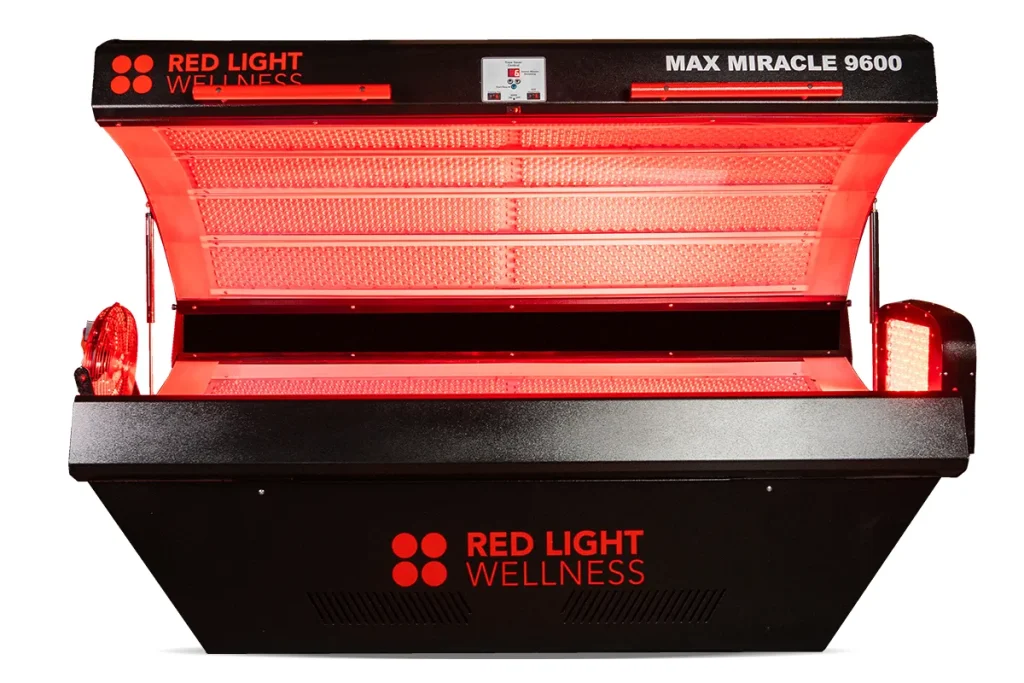
If you’re looking for a new way to make money and help your customers at the same time, red light therapy is a great option. Red light therapy uses low–level laser light to treat a variety of skin conditions, such as wrinkles, acne, and rosacea. It can also help improve circulation and overall skin health. If you’re thinking about offering red light therapy at your business, there are a few things you’ll need to consider. First, you’ll need a high–quality, medical–grade device. Most devices are powered by LED lights, but you can also find ones that use lasers. You’ll also need to make sure the device you choose is certified and approved for use. Next, you’ll need to decide how you will deliver the therapy. You can provide it in a spa–like setting, where customers come in and receive the therapy, or you can provide it at home by shipping the device to customers and providing instructions on how to use it. Finally, you’ll need to decide on pricing. This can vary depending on the type of device you choose and the number of treatments you offer. Generally, you can charge anywhere from $50 to $150 per session. Offering red light therapy at your business is a great way to bring in extra income and help your customers improve their skin health. By doing your research, finding the right device, and setting the right price, you can make money offering red light therapy at your business.
How Red Light Beds Revolutionize Skin Health and Recovery
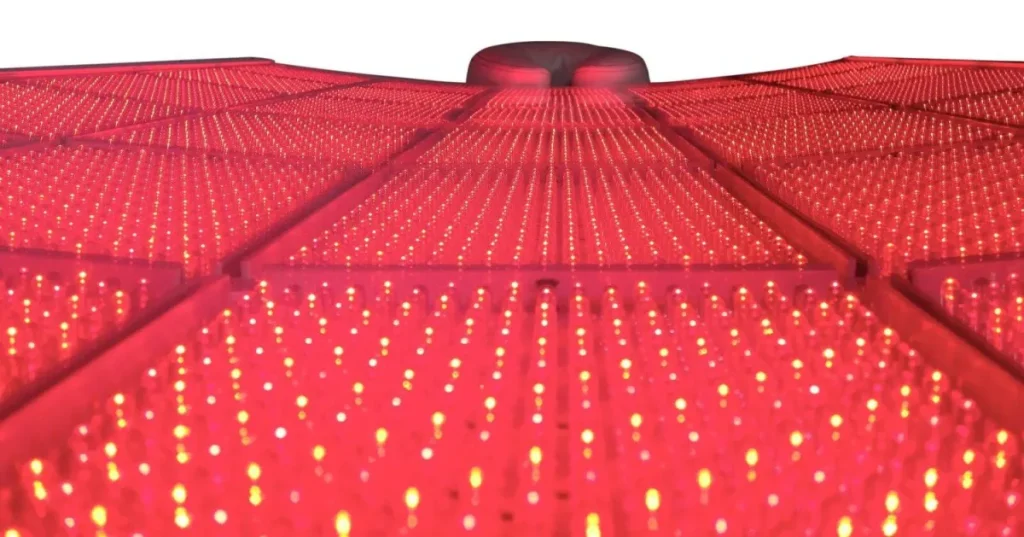
In the vast spectrum of light, one particular wavelength has emerged as a superstar in the world of health and skincare: red light. Known for its myriad of benefits, from rejuvenating aging skin to speeding up wound healing, red light beds are rapidly becoming a sought-after treatment in wellness centers and skincare clinics globally. But how exactly do these beds work, and what makes them revolutionary? The Science of Red Light Therapy Red light therapy, also known as photobiomodulation, harnesses specific wavelengths of red and near-infrared light to penetrate the skin’s layers and stimulate cellular activity. Unlike UV light from the sun, which can cause skin damage, red light offers therapeutic effects without the dangers. When this light penetrates the skin, it reaches the mitochondria – our cells’ powerhouses. Here, it boosts the production of adenosine triphosphate (ATP), the primary energy currency of cells. This enhanced ATP production leads to increased cellular activity and regeneration. Benefits for Skin Health Collagen Boost: Red light therapy promotes collagen production, a vital protein responsible for skin’s elasticity and firmness. This can lead to reduced fine lines, wrinkles, and an overall youthful appearance. Reduced Inflammation: Inflammation, a root cause of numerous skin issues, can be mitigated with regular sessions. This aids in conditions like acne, rosacea, and eczema. Improved Circulation: By enhancing microcirculation, the skin receives a surge of nutrients and oxygen, promoting a radiant glow. Hyperpigmentation and Scarring: Red light beds can help reduce the appearance of dark spots and scars, evening out skin tone. Revolutionizing Recovery But the wonders of red light beds don’t stop at skincare. Their benefits extend to general health and recovery: Wound Healing: By increasing collagen production and improving circulation, wounds, and surgical incisions can heal faster. Muscle Recovery: Athletes are turning to red light therapy post-workout. The light aids in reducing muscle soreness and inflammation, speeding up the recovery process. Joint and Tissue Health: Chronic conditions, like arthritis, benefit from reduced inflammation and increased circulation, leading to pain relief and improved mobility. Mood Enhancement: Exposure to red light can lead to serotonin release, the “feel-good” neurotransmitter, thus acting as a mood booster. Harnessing the Power of Red Light Beds The most effective way to tap into the benefits of red light therapy is through professional-grade red light beds, which ensure uniform and controlled light exposure. Sessions typically last between 10 to 20 minutes, with frequencies varying based on individual needs and the targeted benefits. In Conclusion Red light beds are not just a passing trend; they mark a significant advancement in non-invasive treatments for skin health and overall recovery. Their versatility, combined with a solid scientific foundation, makes them an essential addition to holistic wellness regimens. Whether you’re seeking radiant skin, faster recovery, or relief from chronic ailments, red light therapy might just be the luminous solution you’ve been searching for.
