
Why Chiropractors Are Embracing Red Light & Photobiomodulation Beds
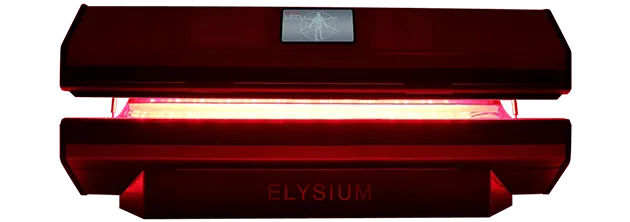
In the dynamic world of chiropractic care, innovation and holistic healing go hand in hand. As practitioners continually seek tools to enhance patient outcomes, Red Light and Photobiomodulation (PBM) beds are increasingly finding their place within chiropractic clinics. But what’s behind this growing affinity, and how does the integration of this therapy benefit both chiropractors and their patients? Demystifying Photobiomodulation Photobiomodulation, commonly referred to as Red Light Therapy, harnesses specific wavelengths of red and near-infrared light to invigorate cellular activity. Crucially, this therapeutic approach sidesteps the damaging effects of UV rays, ensuring a safe treatment modality. The Appeal of PBM Beds for Chiropractors Several reasons make PBM an attractive addition to chiropractic clinics: Cellular Revitalization: By targeting mitochondria (cells’ energy centers), PBM boosts Adenosine Triphosphate (ATP) production, elevating cellular health and functionality. Combatting Inflammation: A common adversary in chiropractic issues, chronic inflammation sees significant reduction under PBM, aiding the body’s healing journey. Natural Pain Alleviation: PBM aligns with chiropractic’s natural approach, offering pain relief without pharmaceutical interventions. Swift Healing: The therapy accelerates the body’s innate healing processes, from muscle recovery to joint relief. Enhancing Mobility: Improved circulation and diminished inflammation often translate to better mobility and flexibility, mirroring core chiropractic goals. Synergizing with Chiropractic Practices PBM beds effortlessly merge with the chiropractic ethos and operational flow: Holistic Healing: Chiropractors adopt a comprehensive view of health, and PBM’s systemic benefits resonate with this holistic approach. A Companion to Manual Therapies: Whether prepping patients for adjustments or post-treatment care, PBM acts as a valuable complementary therapy. No Additional Doctor Time: One of the standout advantages of PBM beds is their autonomous nature. Once set up, patients can undergo treatment without taking up valuable practitioner time, making it an efficient addition to busy clinics. Drug-Free Approach: Both chiropractic care and PBM are rooted in natural, non-invasive treatments, presenting patients with a drug-free pathway to wellness. Elevating Patient Experience Integrating PBM beds doesn’t just enhance treatment options; it elevates the entire patient experience: Diverse Healing Modalities: Patients appreciate a clinic that offers a range of innovative treatments tailored to individual needs. Increased Satisfaction: The combination of quicker relief, holistic care, and improved well-being leads to highly satisfied patients. Extended Care Possibilities: With PBM, chiropractors can offer maintenance and preventive care sessions, ensuring long-term health for their clientele. In Conclusion Red Light and Photobiomodulation beds are much more than a novel addition to chiropractic clinics; they symbolize the future of multi-modal, patient-centered care. As chiropractors strive to deliver holistic, impactful, and time-efficient treatments, PBM beds shine brightly, promising enhanced patient outcomes and streamlined clinic operations.
Cryotherapy Machine & Red-Light Therapy – Section 179 Tax Deductions

Section 179 Deduction Let’s keep things simple. IRS tax code Section 179 allows businesses to deduct full price of equipment purchased during the tax year. You can deduct the full price from your gross income. It’s an incentive created by the U.S. government to encourage businesses invest in themselves. This will apply to cryotherapy machines, red light therapy beds, infrared saunas, hyperbaric chambers, flotation tanks, etc. Section 179 is one of the few government incentives available to small businesses, and has been included in many of the recent Stimulus Acts and Congressional Tax Bills. The goal is a much needed tax relief for small businesses. Millions are taking advantage of this. Previously, it typically wrote it off a little at a time through depreciation. If your company spends $50,000 on a machine, it gets to write off $10,000 a year for five years for example. Not any more. Now your business can write off the entire purchase price. (Up to $1,040,000) All businesses that purchase, finance, and/or lease new or used business equipment during tax year 2020 should qualify for the Section 179 Deduction. Most tangible goods used by American businesses qualify. The equipment must be used for business purposes more than 50% of the time to qualify. Simply multiply the cost of the equipment by the percentage of use to arrive at the amount eligible.
Critical Decisions to Make Right Now for Your Spa, Salon, and Recovery Business

Building a successful spa, salon, and recovery business is hard, but keeping the business going is even harder. The journey to success is a rollercoaster ride. You must be prepared for the highs and the lows. The good times will make it all worth, and the bad times will provide valuable lessons. Whether you are opening a salon or a recovery business or you are running a business, your business strategy is the most crucial aspect of your business. A business strategy will help you develop a plan of action to guide marketing, operations, and other aspects of your business. Whether you are just starting or your business is struggling and in need of advice. Here are 5 critical decisions for your spa, salon, and recovery business. The future of your brand Salons and recovery businesses are all about image. Your clients care about your brand and how it affects their image. Do not define your business according to how you want it to be. Instead, define your target customer and build a brand around your customer. Build a brand that will attract your clients. Create an image that customers will not mind referring to their friends. Clients visit salons, spas, and health recovery businesses for some pampering. Your business should be a haven of relaxation. Brand your business as the place where customers can get what they are after. Convince your customers that you are the only one who can provide the best service at the most right price in the most comfortable environment. Decide on the ideal location for the business Location is everything for a recovery business. A strategic location that is convenient for your customers will play a significant role in your success. Situate your business in a neighborhood that adds to your brand. An excellent location has many other businesses nearby to drive foot traffic. For existing businesses, try to improve on your location by increasing your visibility. Put a visible and an attractive sign. Invest in convenient parking space and ensure the surrounding area is safe and attractive. Create an attractive online profile to market your business. An active social media will act as the storefront for potential clients in today’s age of social media. What makes your business unique? A crucial aspect of your business strategy is market analysis. Take time to analyze your competition, brand images, service delivery, customer service, and the general look of their businesses. You gain an edge over your competitors by doing it better or doing it differently. Apply SWOT analysis to identify your strengths and weaknesses in relation to your competitors in the market.1 Your strengths could be innovative services such as cryotherapy and red light therapy. Also, note down the opportunities and threats in the industry. A comprehensive SWOT analysis will help you identify gaps in the market, such as the lack of affordable or innovative services. Perhaps, your competitors have poor customer care or lack an online presence. Utilize your strengths to offer a unique service that fills the gap in the market. Offer something your clients cannot access anywhere else. A strong base comprised of impeccable services Whether you are new in the game or you have been around for a while, excellent service delivery is the key to your success. Regardless of your location, pricing, and brand, customers will not come back after bad service. Give your clients the best service from the minute they walk in. Great your clients with a smile and attend to them immediately. Hire and train your staff to offer the best customer service. Turn your customers into your fans by giving them something different. Eliminate inconsistencies in your service delivery. Build your business on high standards, impeccable execution, and friendly culture. Strategic planning and proactive decision-making There is no room for complacency when running a successful business. Pay attention to every detail from your communication with clients, your supply chain, to your employee relations. Do not let your guard down. As you celebrate wins, strategize more to create more wins. Create a culture of winning such that every employee brings their A-game. Your Recovery Business Must Endure All Challenges Business success does not come easy. Success comes from taking strategic actions consistently to give your business an edge over the competition. The above critical decisions will guarantee success. I challenge you to master these five critical decisions to attain long term success. Links to resources used: https://www.wordstream.com/blog/ws/2017/12/20/swot-analysis
Red Light Therapy Evidence Through Research
If you’re in the business of health and recovery, then you’ve probably already heard of Red Light Therapy, but is there any evidence for its effectiveness? What is Red Light Therapy? In recent years, we’ve seen several technological advancements in the health and recovery space. A modern treatment that uses red or near-infrared light is called Red Light Therapy (RTL). RTL is often used to help heal skin conditions, repair muscle tissue, and promote overall wellness. While infrared light energy is not visible to the human eye, the energy emitted by RTL machines is recognized by the human body as heat. Red light therapy is also known as photobiomodulation (PBM). How Does Photobiomodulation Work? When we expose our bodies to near-infrared light, the mitochondria of our cells absorb the light and produce more energy. This energy also helps our cells accelerate the healing process and promote skin/muscle tissue recovery. The heat from RTL is not high and does not burn. It’s much like the heat from the lights used in tanning beds without the exposure to the UV rays. So, PBM is safe, and no seriously negative short or long term side-effects have been reported. Is There Evidence for Red Light Therapy? There are not too many clinical studies on photobiomodulation or red light therapy, but the research conducted does show that RLT can help with several things. Neurodegenerative diseases Evidence from a clinical research study shows that people with dementia and Alzheimer’s disease, increased their memory performance, had better moods, and even slept better after photobiomodulation (red light therapy). Osteoarthritis If you’re suffering from pain from osteoarthritis, you know that you want to do anything to stop the pain. The good news is that a study of red light therapy and photobiomodulation shows that patients exposed to a red light or infrared light, reduced their pain by more than half! Tendinitis Much like osteoarthritis, people with Achilles tendinitis, in one study, were able to show reduced pain and inflammation by using red light therapy or photobiomodulation. Skin damage Perhaps one of the more obvious benefits of photobiomodulation is in skincare. Evidence from a study shows that RLT or PBM smooths the skin and helps reduce skin damage due to UV (sun damage), burns, or even acne scars. When our skin cells absorb the energy from the near-infrared light, its power center (mitochondria), soaks up the heat and helps the cell recover faster. Skin aging Much like the evidence found in the benefits of photobiomodulation in skin damage, a study shows that when our cells get exposed to near-infrared light, they become healthier and age better. That’s because healthy skin is younger-looking skin. Hair loss There was a study done on both men and women. These individuals with androgenetic alopecia, which is a genetic disorder that is known to cause hair loss, were treated with RTL. The study was done for 24 weeks and resulted in success. Evidence shows that the individuals who ere exposed to RTL or PBM grew thicker hair and had less hair loss than the group exposed to artificial light. Adding Red Light Therapy or Photobiomodulation to Your Business If you are in the business of health and wellness, or you’re planning on starting your athletic-recovery or health and wellness business, you should keep yourself up-to-date with ways in which you can offer quality services to your customers. One of these modalities is photobiomodulation or red light therapy. Evidence shows that this health modality works and offers several benefits. Therefore, if you want to increase your revenues while also making your customers more satisfied, you can look into adding RTL to your business model. At Elevated Cryo, we help your business succeed. Whether you are running a cryotherapy business, health & wellness center, or a practice, we connect your business to athletic-recovery and health products that translate into a better bottom line. Our experience in these industries and our extensive network enable companies to save time and cut down on their startup and operation costs. Contact us to learn more about how we can help you get started or take advantage of existing health and recovery modalities.
Red Light Therapy Integration: Key Facts and Benefits
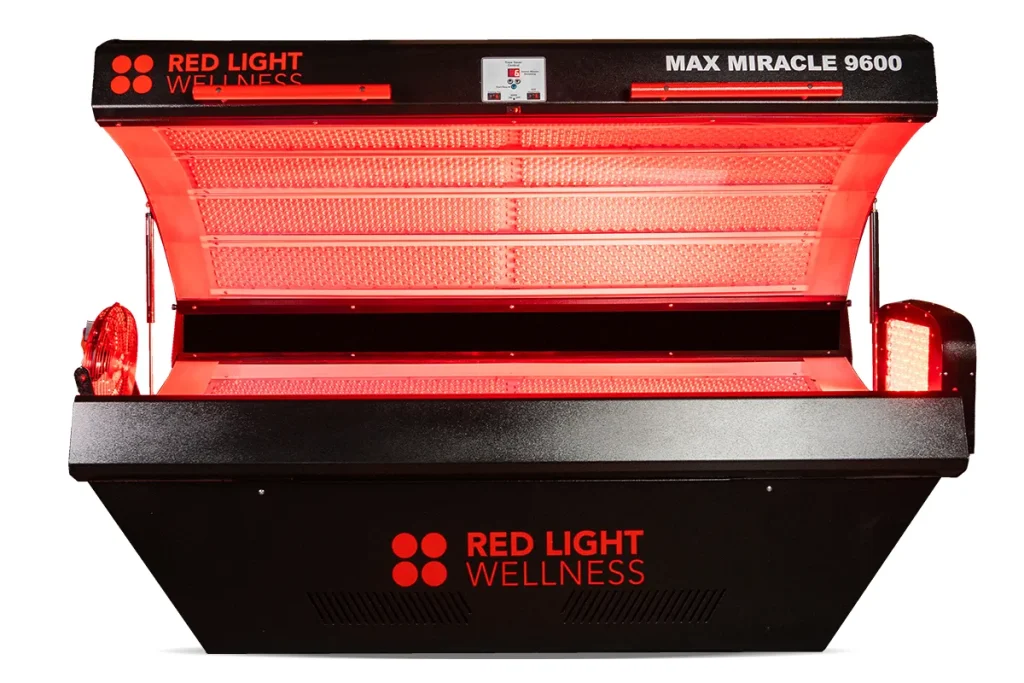
Many who have used red light therapy often say they have found the holy grail of treatment. Red light therapy works like magic; a dose of red light can cure everything from acne, wrinkles to sore muscles. It is even better as it has zero chemicals. Is red light therapy too good to be true? Celebrities swear by red light therapy for their ever radiant, young skin. Jessica Alba, Chrissy Teigen, and Kourtney Kardashian often post their skincare routines, which incorporate red light therapy. The before and after pictures are evidence that red light therapy is more than effective. So what is red light therapy? There is much misconception about it, including the history, benefits, uses, and the cost. Let us break it all down in the following in-depth look. What Is Red Light Therapy? Also known as photobiomodulation, red light therapy (RLT) uses a low level of red or near-infrared light on the skin. The light is absorbed into the skin, stimulating a wide range of health benefits. Red light boosts circulation, collagen production, and muscle repair. RLT works by exposing your skin to a lamp, device, or a laser with the red light. Your cell’s mitochondria will soak it up and create more energy. Experts suggest that this helps repair the cells and make them healthier. Thus, enhanced healing in muscle and skin tissue.1 Red light therapy is safe; it uses low levels of heat and does not burn. Red light is different from the light used in tanning booths, and it does not expose your skin to harmful UV rays. A Quick History of Red Light Therapy Business While red light therapy became mainstream in the past few years, red light therapy can be traced to the Greek empire. The Greeks believed that exposure to the light, or heliotherapy, was beneficial to their health. The Greeks did not invent the modern RLT machines that you might see around though. The concepts of light therapy have however been around for thousands of years and modern technology has only created new devices based on existing knowledge. Dr. Niels Finsen, a 19th-century physician, received a Nobel Prize for his study on the effects of the different wavelengths in treating Tuberculosis. The study was replicated in other fields and today; neurology, physiotherapy, and dermatology all depend on the work of the famed physician. Researchers are in the process of exploring the overarching therapeutic benefits of Light therapy. In recent times, European researchers have found that specific wavelengths have effects on the treatment of tissue. The process of photo-stimulation specifically deals with such wavelengths.2 Researchers are still exploring the many benefits of RLT. There is evidence to suggest that RLT has positive effects in the management of neurodegenerative diseases, osteoarthritis, and skin damage and hair loss. RLT is now an FDA-approved cosmetic procedure. It is safe, painless, and effective in comparison to invasive and abrasive cosmetic processes that carry serious risks. RLT has moved from the confines of scientific research to mainstream use. RLT devices are now available in gyms, spas, dermatologists’ offices, and homes for personal use. Research is looking into further uses of RLT with new studies suggesting that RLT can heal serious brain conditions…that’s an obvious exaggeration! But the possibilities of adding red light therapy to a business are limitless. Red Light Therapy vs. Blue Light Therapy Blue light therapy is the other form of light therapy involving the use of blue light. Blue light therapy has almost the same benefits as RLT, but it works differently. Blue light is standard in the home devices for treating acne. It reaches the sebaceous glands and kills porphyrins in which are the compounds inside acne. The red light goes deeper than the blue light, and it can treat acne and a variety of skin disorders. It is for this reason that red light therapy has led to the development of a huge market. Today, you can find huge businesses, specifically in the health and cosmetic realm hosting a range of RLT devices. Tanning salons, gyms, clinics, and many other businesses today make a point of including red light therapy to boost their sales. The Key Aspects of Red Light Therapy Business You Should Know Before integrating red light therapy modalities into your practice, you need to know some crucial business facts involved in the business. We will take a look at the costs of business, devices in the market, some facts about the treatment, safety issues and what customers can expect. The Cost of Running a Red Light Therapy Business A single RLT session costs about $25-$85, depending on the location. When used with a combination of other treatments, RLT costs more. The small RLT kits cost $25 to $250. RLT sessions can range from $50 to $100 or more depending on the length of the session. To acquire all the necessary equipment, the cost can range from $10,000 and upwards. With about 10 customers at the least per day though, it can take a couple of months to recover the initial investment cost. Red Light Therapy Devices Currently in the Market Full-Body Devices These are large, powerful, and costly in comparison to devices that treat a small part of the body. Full-body devices deliver the most total energy for optimum health benefits. Partner with the right vendors before making any RLT purchase. Full-body devices are evaluated using the following features: Irradiance – This is a measure of power per unit area in milliwatts per square centimeter (mW/cm2). It is the rate of energy delivered. Full-body devices with 180 mW/cm2 offer the optimum amount of energy during an RLT session. Total Energy – This is a very crucial feature of full-body RLT devices. Total energy refers to the energy transferred from the device to the person using it. Smaller Devices Some devices offer targeted treatment for problematic areas only. The devices are small and often awkwardly shaped, like showerheads, to get around the human body. Smaller devices are useful for treating specific areas
The Power of Light: An Introduction to NovoTHOR and Its Health Benefits

In the realm of alternative therapies, one innovative treatment has been illuminating the path to better health and wellness: red light therapy (RLT). Emerging from NASA’s ground-breaking experiments for plant growth and wound healing in space, RLT uses low-wavelength red light to not only improve the appearance of the skin but also to treat a variety of medical conditions. At the forefront of this technology is NovoTHOR, a whole-body light pod designed to harness the full potential of red light therapy. This article discusses the science, application, and benefits of NovoTHOR, shedding light on how it’s changing lives by leveraging the power of red and near-infrared light. What is Red Light Therapy? Red light therapy is a non-invasive treatment that utilizes low-level red light to stimulate skin rejuvenation, enhance cell function, and promote healing. Its mechanism of action involves the activation of mitochondria within the body’s cells, boosting their energy production. This increase in cellular energy supports skin repair, growth, and rejuvenation, making RLT a powerful tool in the cosmetic and medical fields. What is Red Light Therapy Used For? RLT is celebrated for its versatility, offering improvements in skin health by reducing wrinkles, scars, redness, acne, and enhancing wound healing, collagen production, and skin elasticity. Beyond cosmetic applications, it’s being investigated for its efficacy in treating medical conditions like psoriasis, eczema, pain relief, inflammation reduction, and muscle recovery, showcasing its broad therapeutic potential. How Often Can You Use Red Light Therapy? The frequency of RLT sessions can vary, typically ranging from one to three times a week over several weeks or months, depending on the condition being treated and the specific device used. This flexibility allows individuals to tailor their treatment regimen to fit their unique needs and goals. Biphasic Dose Response in Low-Level Light Therapy Effective RLT hinges on the principle of the biphasic dose response, where the amount of light used is critical. Both insufficient and excessive light can lead to suboptimal results, underscoring the importance of precise dosing for achieving the desired therapeutic effects. Low-Level Light Therapy: Photobiomodulation Photobiomodulation (PBM), another term for RLT, highlights the therapy’s ability to modulate cellular functions through light exposure. It’s this interaction with the body’s cells that underpins the wide-ranging benefits of RLT, from improving blood circulation and reducing inflammation to enhancing tissue repair. Benefits RLT stands out because it may offer some help to relieve pain, improve recovery to acute injuries, increase blood circulation, reduce inflammation, and offer whole-body benefits. It may show some effectiveness in alleviating discomfort from conditions like rheumatoid arthritis, tendonitis, and chronic inflammation, as well as faster recovery from muscle fatigue, injuries, and post-exercise soreness. Moreover, its systemic health improvements underscore the potential for whole-body treatment to enhance overall well-being in addition to a diet and exercise program. Regenerate Photobiomodulation therapy exemplifies the possibility of regenerative capabilities of RLT, with the potential to significantly enhance cellular repair and regeneration. Typically, RLT sessions last between 8-15 minutes, offering a quick and efficient way to tap into these benefits. NovoTHOR Whole Body Light Pod Introducing the Specific Product and Its Features The NovoTHOR Whole Body Light Pod represents the cutting edge in whole-body red light therapy. It’s specifically designed to deliver uniform, targeted exposure to red and near-infrared light, covering the entire body to maximize the therapeutic effects. NovoTHOR – Performance and Recovery with the Power of Light The NovoTHOR system is engineered to enhance performance and recovery by utilizing a whole-body approach to light therapy. It’s crafted to deliver precise wavelengths of light across the entire body, promoting rapid improvements in health and function. Pricing The cost of NovoTHOR beds and sessions pricing varies, with packages and membership options available to accommodate different needs and budgets. This flexibility ensures that more people can access the benefits of whole-body red light therapy. PBM Therapy FAQ’s Common questions about NovoTHOR include its cost, how it works, its FDA approval status, and the efficacy of a red light therapy bed. NovoTHOR beds are priced to provide value, and the system uses scientifically-backed principles to deliver its health benefits. It is part of the broader category of red light therapy devices, some of which have received FDA approval for specific uses. Regulatory The regulatory landscape for NovoTHOR and red light therapy devices includes FDA approvals for certain applications and professional endorsements, reflecting the growing acceptance of this technology in the medical and wellness communities. Experts in Photobiomodulation Committed to Healing Behind NovoTHOR is a team of experts dedicated to advancing the field of photobiomodulation. Their commitment to healing and wellness through innovation in light therapy sets NovoTHOR apart as a leading solution in the industry. ARRC LED Beds: Next Generation Light Therapy ARRC LED beds mark a significant advancement in the field of light therapy, combining the latest in LED technology with the proven benefits of red light therapy. These beds are designed to offer a more immersive and efficient treatment experience, leveraging a spectrum of light wavelengths to target a variety of health and aesthetic concerns. Unlike some traditional red light therapy devices, ARRC LED beds encompass the entire body in a cocoon of healing light, aiming to optimize cellular function and promote overall wellness at a faster rate. Features and Benefits ARRC LED beds boast a host of features that set them apart from conventional red light therapy options. These include adjustable wavelengths, allowing for personalized treatments tailored to specific needs, such as skin rejuvenation, muscle recovery, or mood enhancement. The inclusion of near-infrared light, alongside red light, provides deeper tissue penetration, facilitating enhanced healing and pain relief possibilities. Furthermore, the ergonomic design of ARRC LED beds ensures maximum comfort during sessions, making the therapy not just beneficial, but also a luxurious experience. Comparing Red Light Therapy Beds to ARRC LED Beds While traditional red light therapy beds have paved the way for non-invasive treatment solutions, ARRC LED beds represent the next step in their evolution. One of the key differences lies in the technological advancements inherent to
A Spectrum of Wellness: Exploring the Science Behind Prism Light Pod
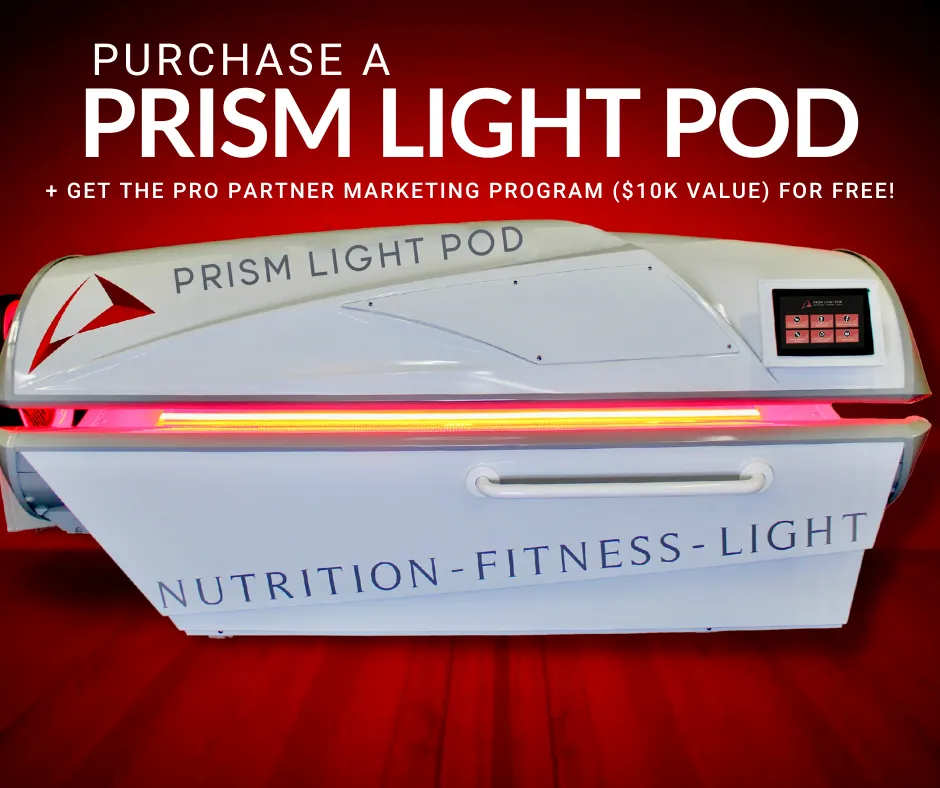
The quest for innovative wellness solutions has led to the advent of red light therapy, a method popular for its non-invasive approach to enhancing health and vitality. Among the leading technologies, the Prism Light Pod, a system designed to deliver the most powerful and energy-efficient whole-body red light therapy. This article discusses the science, benefits, and diverse applications of the Prism Light Pod and its complementary product, the Prism Light Pad, shedding light on how they stand as pivotal tools in the wellness and healthcare sectors. Prism Light Pod Therapy Systems Red light therapy harnesses low-level red wavelengths to support skin health, pain relief, and recovery, among other health benefits. The Prism Light Pod emerges as a premier solution, offering optimized whole-body red light therapy that leverages the deepest red light penetration to potentially aid in healing, reduce unwanted fat cells, and support anti-aging efforts. The Most Powerful & Optimized Whole-Body Red Light Therapy System Prism Light Pod sets itself apart through its unparalleled power and energy efficiency. As the most potent red light therapy bed available, it provides users with an effective solution for their wellness needs, from injury healing to soothing disorders such as arthritis. Its energy-efficient design not only ensures significant health benefits but also offers an eco-friendly option for wellness practitioners and individuals alike. The Most Adaptable, Portable, and Affordable Red Light Pad The introduction of the Prism Light Pad marks a significant expansion in the Prism Light Pod’s offerings. This portable and affordable red light therapy solution complements the full-body system, providing flexibility for users who require targeted therapy on-the-go. It embodies adaptability without compromising the quality of treatment. Benefits of Red Light Therapy Red light therapy is associated with a broad spectrum of benefits. These include, but are not limited to, enhanced skin health through improved collagen production and elasticity, pain relief in areas affected by chronic conditions, accelerated injury healing, and overall wellness enhancement. The Prism Light Pod sessions leverage these benefits through a full-body approach, providing a comprehensive wellness therapy. Add $100K+ of Income per Year Incorporating the Prism Light Pod into a wellness or healthcare business presents a significant opportunity for revenue growth. Entrepreneurs and business owners can attract a wider client base by offering cutting-edge red light therapy services, potentially adding over $100,000 to their annual income. Select the Category That Matches Closest to Your Business or Personal Needs Prism Light Pod’s versatility makes it suitable for various settings, including resort & day spas, integrative wellness centers, sports recovery centers, medical spas & aesthetics, pain management centers, and for home & personal use. This wide applicability emphasizes its role as a comprehensive tool for natural wellness businesses and individual health enthusiasts. For Entrepreneurs Starting a New Natural Wellness Business Entrepreneurs venturing into the wellness industry can find a solid foundation in red light therapy, particularly with the Prism Light Pod. The market potential for non-invasive health solutions is vast, and offering state-of-the-art treatments can set a new business apart, attracting clients seeking modern, effective wellness interventions. Prism Light Pod: Energy Efficient & Automated Full-Body Red Light Therapy Bed Product Features The Prism Light Pod is not only the most powerful but also an award-winning red light therapy bed. It features six optimized settings tailored for different therapeutic needs, enhancing the user experience. With dimensions that fit various spaces and a 15-year lifespan, it represents a durable and valuable investment in health and wellness. Customization and Branding Options Businesses can personalize their Prism Light Pod units through co-branding options, with white as the standard color and additional colors available at extra cost. This customization allows for seamless integration of the Prism Light Pod into the aesthetic and branding of any wellness facility or personal space. Red Light Therapy Marketing Program Prism Light Pod supports businesses with a comprehensive marketing program designed to help effectively promote red light therapy services. This support includes resources and strategies to educate clients about the benefits of red light therapy, enhancing client engagement and service adoption. Prism Light Pad Reiterating the Prism Light Pad’s role, this adaptable and flexible solution stands as an accessible entry point into red light therapy. Its portability and affordability do not compromise on the therapeutic benefits, making it an excellent complement to the Prism Light Pod system. Frequently Asked Questions 1. How Much Does a Prism Light Pod Cost? The pricing of a Prism Light Pod can vary depending on several factors, including specific model features, customization options, and any special promotions that may be available. To get the most accurate and up-to-date pricing information, we recommend reaching out to Elevated Cryo, an authorized distributor of Prism Light Pod. Elevated Cryo can provide detailed pricing, available financing options, and any special offers currently running. Contact Elevated Cryo directly through their website or by phone to explore how a Prism Light Pod can fit into your wellness routine or business model, and to discuss your specific needs and budget. 2. What Are the Benefits of the Prism Light Pod? The Prism Light Pod may offer a multitude of benefits, including accelerated recovery from sports injuries, enhanced muscle recovery, improved skin health, reduction in chronic pain, and overall wellness enhancement. Its whole-body approach to red light therapy ensures comprehensive treatment, making it a versatile solution for personal and professional use. 3. What Are the Benefits of Infrared Red Light Therapy? Infrared red light therapy, such as that provided by the Prism Light Pod, is known for its deep tissue penetration, which may stimulate healing, reduce inflammation, and improve circulation. This form of therapy may be beneficial for skin rejuvenation, muscle repair, joint pain relief, and may even aid in improving sleep quality and mood. 4. Is the Prism Light Pod Suitable for Home Use? Absolutely. The Prism Light Pod is designed for both professional and home use. Its user-friendly interface and minimal maintenance requirements make it an excellent addition to any home wellness routine, offering the benefits of red light therapy in the comfort
Rejuvenate Your Body: Harnessing the Power of ARRC LED for Recovery
In today’s wellness-focused landscape, innovative technologies are continuously emerging to enhance our health routines. Among these, ARRC LED technology stands out as a revolutionary tool in therapeutic light applications. This advanced form of light therapy offers a multitude of health benefits, from speeding up recovery to enhancing skin health. Elevated Cryo is proud to feature ARRC LED beds, providing a cutting-edge solution for those looking to integrate this technology into their wellness and recovery practices. Understanding ARRC LED Technology Unique Properties of ARRC LED ARRC LED technology is distinct in its ability to emit precise wavelengths that penetrate deep into tissues to stimulate healing and regeneration. This targeted approach helps in addressing specific health issues like muscle recovery and skin rejuvenation, without the invasiveness of surgical procedures. Differentiation from Other Light Therapies While many forms of light therapy exist, ARRC LED is specifically designed to optimize deep tissue recovery and holistic wellness through a combination of red and green light spectrums. These spectrums are known for their efficacy in promoting collagen production and reducing inflammation. Benefits of LED Light Therapy Skin Health and Inflammation Reduction ARRC LED therapy offers remarkable benefits for skin health, aiding in cellular rejuvenation and increasing cell turnover rates. Its anti-inflammatory properties are particularly effective in treating chronic inflammation, helping to alleviate pain and swelling across various body areas. Enhanced Recovery Capabilities Beyond skin health, the ARRC LED bed penetrates into deeper layers of muscle and joint tissue, accelerating recovery times and improving overall wellness, ideal for athletes and those undergoing physical rehabilitation. The Science Behind Light Therapy Body light therapy promotes healing at a cellular level by stimulating mitochondria, enhancing the production of ATP, which in turn boosts cellular metabolism and speeds up recovery processes. This scientific approach underscores the efficacy of ARRC LED beds in promoting health and wellness. Features of the ARRC LED Bed Designed for full-body coverage, the ARRC LED bed ensures that each part of the body receives equal attention, maximizing the therapeutic effects of the treatment. Its user-friendly design guarantees comfort throughout the session, enhancing the overall user experience. Real-Life Applications and Success Stories These beds have garnered positive feedback from a diverse range of users. Athletes have noticed a greater likelihood of quicker recovery times, individuals with chronic pain conditions have reported significant relief, and many users have observed that they may offer improvements in their skin’s appearance. Integrating ARRC LED Therapy into Your Wellness Routine Daily Health Routine Enhancement Incorporating a light bed into your daily health routine may significantly enhance your overall wellness. Regular sessions can help in maintaining continuous health benefits, with optimal frequencies and durations depending on individual health goals and conditions. Consistency is key, as with any wellness plan. The more regularly the beds are used, the higher the likelihood of improvements. Comparing LED Therapy with Other Recovery Techniques LED therapy can be effectively combined with other wellness practices like massage or meditation for a holistic approach to health. This integration often leads to more comprehensive health benefits, addressing multiple wellness aspects simultaneously. Legal and Safety Considerations Elevated Cryo ensures that all ARRC LED beds meet the highest safety and quality standards, complying with legal regulations. Users can feel secure knowing that they are investing in a product that is not only effective, but also safe and regulated. Get in Touch Discover the potential of ARRC LED beds at Elevated Cryo. We offer these state-of-the-art beds for sale, allowing you to enjoy the myriad benefits of LED light therapy in the comfort of your own home or health facility. Contact us today to learn more about our products and how they can fit into your health and wellness regimen. FAQ What is an ARRC LED bed? An ARRC LED bed is a state-of-the-art therapeutic device that uses specific wavelengths of light to promote healing and recovery throughout the body. It leverages the science of photobiomodulation to deliver red and near-infrared light directly to the skin and deeper tissues. How does an ARRC LED bed work? ARRC LED beds emit red and near-infrared light that penetrates different layers of the skin, reaching muscles, nerves, and even bones. The light energy is absorbed by cells and converted into cellular energy, promoting natural healing processes, possibly reducing inflammation, and relieving pain. Who can benefit from using an ARRC LED bed? Almost anyone looking to enhance their overall health and wellness can benefit. It’s particularly useful for athletes who need quick recovery, individuals suffering from chronic pain conditions such as arthritis, or those interested in skin rejuvenation and anti-aging treatments. Are there any side effects associated with using an ARRC LED bed? ARRC LED beds are generally considered safe and have few known adverse side effects when used as directed. However, it’s important to use the device according to manufacturer instructions and consult with a healthcare provider if you have concerns. How often should I use an ARRC LED bed for optimal results? Optimal usage can vary depending on individual health goals and conditions. Generally, it is recommended to start with shorter sessions, about 10-20 minutes, 2-3 times per week. After assessing how your body responds, you can adjust frequency and duration accordingly. Can I use an ARRC LED bed if I have sensitive skin? Yes, ARRC LED therapy is suitable for all skin types, including sensitive skin. The non-invasive nature of LED therapy makes it a gentle option that does not damage the skin.
LightStim Bed Therapy: How It Works and Who Can Benefit
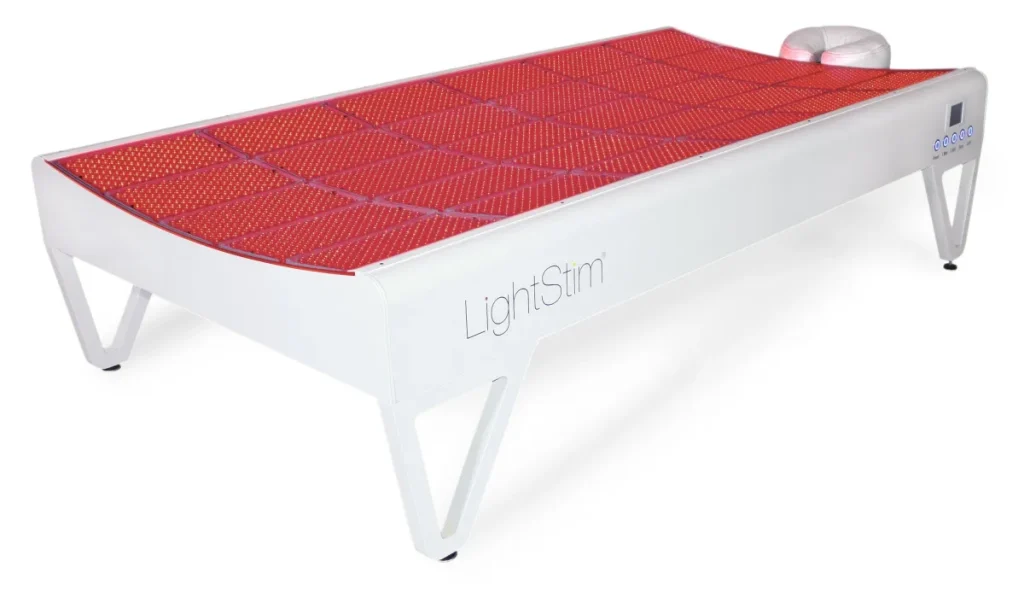
At Elevated Cryo, we are proud to offer groundbreaking solutions in wellness technology, and one of our premier products is the LightStim LED Bed. This article explores the science behind LightStim Bed therapy, its unique benefits, and how various individuals can integrate this technology into their wellness routines to enhance their health and vitality. What is the LightStim LED Bed? The LightStim Bed is a state-of-the-art light therapy device that encapsulates the user in a soothing bath of light. It is engineered to target the whole body with LEDs that emit light across multiple wavelengths, providing a comprehensive treatment that supports skin health, pain relief, and systemic rejuvenation. LED Technology in the Bed LED technology employs light-emitting diodes to deliver light energy. In the context of the LightStim Bed, these LEDs are arranged to ensure an even distribution of light, ensuring that every part of the body benefits from the therapy. Understanding LightStim’s MultiWave Patented Technology The Science of MultiWave Technology LightStim’s MultiWave patented technology is at the heart of its effectiveness. This technology strategically combines different wavelengths of therapeutic light, which work together to enhance the body’s healing capabilities. This combination of lights is designed to optimize the health benefits by activating the body’s own repair mechanisms. Benefits of LightStim Bed Therapy Enhanced Blood Circulation and Skin Rejuvenation Through the use of red light therapy and other wavelengths, LightStim therapy helps to increase blood circulation and stimulate the cells responsible for skin repair and rejuvenation. This may lead to healthier, more youthful-looking skin and more efficient healing from injuries. Support of Peak Physiological Function The therapy supports the body’s peak physiological functions by possibly reducing inflammation, a common cause of various chronic diseases and discomforts. It is likely to enhance the body’s overall ability to heal and maintain itself in a state of balance. Mechanisms Behind LED Light Therapy LED light therapy supports the body at a cellular level. The light emitted by the LEDs penetrates the skin and is absorbed by the cells, which may improve the efficiency of the mitochondria, the powerhouse of the cell. This can possibly lead to increased cellular energy, promoting faster rejuvenation and healing across the body. Who Can Benefit from LightStim Bed Therapy? Broad Audience Appeal Athletes: For recovery from intense physical activity and injuries. Individuals with Chronic Pain: To manage pain without reliance on medications. Aging Individuals: Focused on enhancing skin health and vitality. Each group benefits uniquely, making the LightStim Bed a versatile tool in preventive health and active healing strategies. Integrating LightStim Therapy into a Wellness Routine Incorporating LightStim therapy into a wellness routine can be as simple as scheduling regular sessions in the LightStim Bed. Depending on individual needs, treatments can range from multiple sessions a week to bi-weekly sessions, with each session typically lasting about 20-40 minutes. Comparisons to Other Light Therapy Devices While there are many light therapy options available, the LightStim Bed stands out due to its full-body coverage and the unique blend of wavelengths offered by its MultiWave patented technology. These features make it more comprehensive than many other devices that might only offer single-wavelength treatment or limited area coverage. Get in Touch Unlock the transformative benefits of LightStim Bed therapy at Elevated Cryo. Experience how this cutting-edge technology can elevate health and wellness for you and your business. Contact us today to explore purchasing options and enhance your offerings with LightStim Bed therapy. FAQ Section What is LED therapy? LED therapy, or Light Emitting Diode therapy, is a non-invasive treatment that utilizes specific wavelengths of light to target various skin and body concerns. Unlike ultraviolet rays, LED lights do not cause burns or skin damage. The therapy is designed to promote tissue growth, reduce inflammation, and improve the skin’s appearance by stimulating collagen production. LED therapy can be tailored with different colors of light to address specific needs, such as blue light for acne treatment or red light for anti-aging and deeper tissue concerns. How often should one undergo LightStim therapy? The frequency of LightStim therapy sessions can vary depending on the individual’s goals and the specific condition being treated. For optimal results, it is generally recommended to start with two to three sessions per week. Once visible improvements are achieved, sessions can be reduced to once a week or even bi-weekly to maintain the benefits. Consistency is key in LED therapy, and a regular schedule helps sustain the gains in skin health and pain relief. Are there any risks associated with using the LightStim Bed? LED therapy using the LightStim Bed is widely recognized for its safety and efficacy. It is non-invasive and does not use UV light, making it safe for regular use without significant side effects. However, individuals with certain conditions such as photosensitivity or those taking medications that increase light sensitivity should consult with a healthcare provider before beginning treatment. As with any treatment, there is a small risk of adverse reactions, but these are typically mild and transient, such as slight redness or irritation immediately following the session. Can LightStim therapy be combined with other treatments? Absolutely, LightStim therapy can be effectively combined with other treatments to enhance overall results. For example, using LED therapy in conjunction with facials, microdermabrasion, or chemical peels can help soothe the skin and reduce inflammation, leading to improved healing and enhanced effects of both treatments. In physical therapy, combining LED therapy with manual therapy or exercise can help accelerate recovery and improve outcomes. It’s important to consult with a skincare or healthcare professional to design a treatment plan that safely integrates LED therapy with other treatments.
Red Light Therapy Guide: Benefits, Uses & How It Works
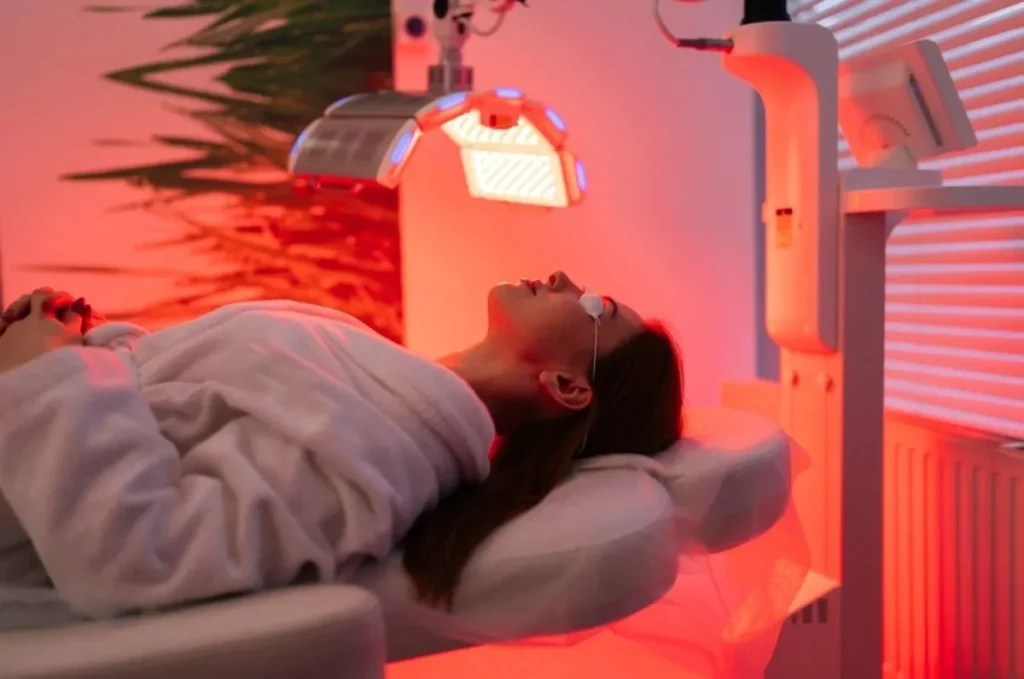
The U.S. wellness market isn’t just growing — it’s becoming more technical. Clients no longer ask, “What facial do you offer?” They ask, “Do you have red light therapy?” “Is it FDA cleared?” “Does it help with inflammation?” If you operate a spa, med spa, recovery studio, or wellness clinic, red light therapy is no longer optional curiosity. It’s increasingly part of the core longevity equipment for wellness that modern facilities are expected to offer. But here’s the real question business owners ask: Is it worth the investment — and which device actually makes sense for a commercial setting? Let’s break it down properly. What Red Light Therapy Actually Does Red light therapy (also called photobiomodulation) uses specific wavelengths of red and near-infrared light to stimulate cellular repair. The key mechanism happens inside the mitochondria — the part of your cells responsible for producing ATP (energy). When exposed to therapeutic wavelengths (typically 630–660 nm red light and 810–850 nm near-infrared light): Cellular energy production increases Circulation improves Inflammation decreases Tissue repair accelerates Unlike UV light, it does not damage skin. Unlike lasers, it does not aggressively heat tissue. It works at a cellular signaling level. Research originally expanded through work conducted by NASA exploring tissue repair and muscle preservation. Since then, clinical interest has grown across dermatology, sports recovery, and regenerative medicine. Today, certain devices are cleared by the U.S. Food and Drug Administration for specific indications such as temporary pain relief and wrinkle reduction — which is important for U.S.-based operators from both marketing and liability perspectives. Why Red Light Therapy Is Gaining Traction in the U.S. Wellness Market There are three macro trends driving adoption: 1. The Longevity Movement Consumers are shifting from reactive health to proactive optimization. They’re searching for tools that support: Cellular repair Reduced inflammation Anti-aging Recovery enhancement Red light therapy fits directly into this narrative. 2. Non-Invasive Demand Clients increasingly prefer non-invasive, no-downtime treatments. Compared to injectables or laser resurfacing, red light therapy feels low-risk and approachable. 3. Membership-Based Revenue Models Because sessions are short and repeatable, red light therapy integrates well into: Monthly wellness memberships Recovery packages Post-treatment add-ons From a business standpoint, that consistency matters. Red Light Therapy Equipment Benefits for Wellness Centers Let’s talk operator value — not just clinical theory. 1. Low Consumable Cost Unlike injectables, chemical peels, or body contouring treatments, red light therapy requires no recurring consumables. Once installed, operating costs remain relatively low. 2. High Utilization Potential Sessions typically range from 10–20 minutes. That allows: High client turnover Easy scheduling integration Add-on stacking after facials or recovery sessions 3. Broad Demographic Appeal Red light therapy attracts: Anti-aging spa clients Athletes Chronic pain sufferers Post-procedure patients Biohacking enthusiasts Few modalities bridge aesthetics and recovery this effectively. Best Use Cases for Spas and Clinics Different facility types use red light therapy differently. 1. Anti-Aging & Skin Rejuvenation (Spas / Med Spas) This is the strongest entry point. Red light therapy supports: Collagen stimulation Reduction in fine lines Improved skin tone Reduced inflammation after treatments Many clinics position it as: A post-microneedling recovery boost A post-laser calming session A glow-enhancement add-on It’s easy to explain and easy to sell. 2. Pain Management & Sports Recovery (Clinics / Recovery Studios) Near-infrared wavelengths penetrate deeper tissues. Common positioning: Joint pain support Muscle soreness recovery Inflammation management Arthritis symptom relief This makes it complementary to cryotherapy, compression therapy, and physical rehabilitation. If you’re building a professional wellness technology guide, this is where red light therapy overlaps with cryotherapy equipment benefits — cold reduces inflammation quickly, red light supports repair afterward. 3. Post-Procedure Healing (Medical Settings) Clinics use red light therapy after: Microneedling Laser resurfacing Injectables Minor surgical procedures Its anti-inflammatory properties can help reduce redness and accelerate healing. How to Choose the Best Red Light Therapy Device (Commercial Edition) Here’s where many blogs stay vague. Let’s get specific. If you’re researching the best red light therapy device for a commercial environment, focus on these criteria: 1. Wavelength Specificity Professional devices should clearly specify therapeutic wavelengths, typically: 660 nm (red) 810–850 nm (near-infrared) Avoid systems that don’t disclose technical specs. 2. Irradiance (Power Output) This determines how much light energy actually reaches tissue. Higher irradiance: Shortens session times Improves treatment efficiency Increases revenue potential Commercial-grade machines should publish mW/cm² output numbers. 3. Full-Body vs. Panel Systems Full-Body Beds Higher upfront investment Premium positioning Strong membership appeal Large Panels Flexible room placement Lower cost than beds Ideal for recovery studios Targeted Devices Lower investment Better for estheticians Limited revenue scalability Your facility size and revenue model determine the right fit. 4. FDA Clearance & Liability In the U.S., equipment credibility matters. Look for: FDA-cleared indications Electrical safety certifications Commercial warranty coverage This strengthens marketing claims and reduces risk exposure. Pricing: What Commercial Equipment Typically Costs This is where real buyer intent shows up. Approximate U.S. pricing ranges: Small professional panels: $3,000–$8,000 Mid-size systems: $8,000–$20,000 Full-body beds: $20,000–$60,000+ Consumer-grade devices under $1,000 are not built for daily commercial operation. If you’re serious about integrating red light therapy into your longevity equipment for wellness lineup, budget accordingly. ROI Considerations for Wellness Centers Typical U.S. pricing per session: $40–$100 per session $150–$300 per monthly unlimited membership If a $25,000 system generates: 15 sessions per day at $50 That’s $750/day ~$22,500/month gross (before expenses) Even at half utilization, ROI can be compelling. This is why red light therapy is often included in high-margin membership models. Common Mistakes Buyers Make Buying consumer-grade panels for commercial use Ignoring irradiance specs Not planning room layout properly Underestimating the importance of client education Failing to bundle treatments for maximum revenue Red light therapy works best when positioned as part of a larger wellness ecosystem — not a standalone novelty. How Red Light Therapy Fits Into a Professional Wellness Technology Guide If you’re designing a modern wellness center, your technology stack might include: Cryotherapy Infrared sauna PEMF therapy Compression therapy Red light therapy Red light therapy often becomes the “bridge modality” — it’s less intimidating than cryotherapy and more accessible
